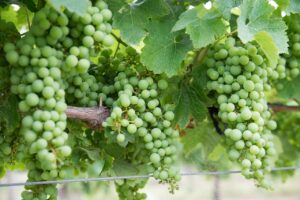
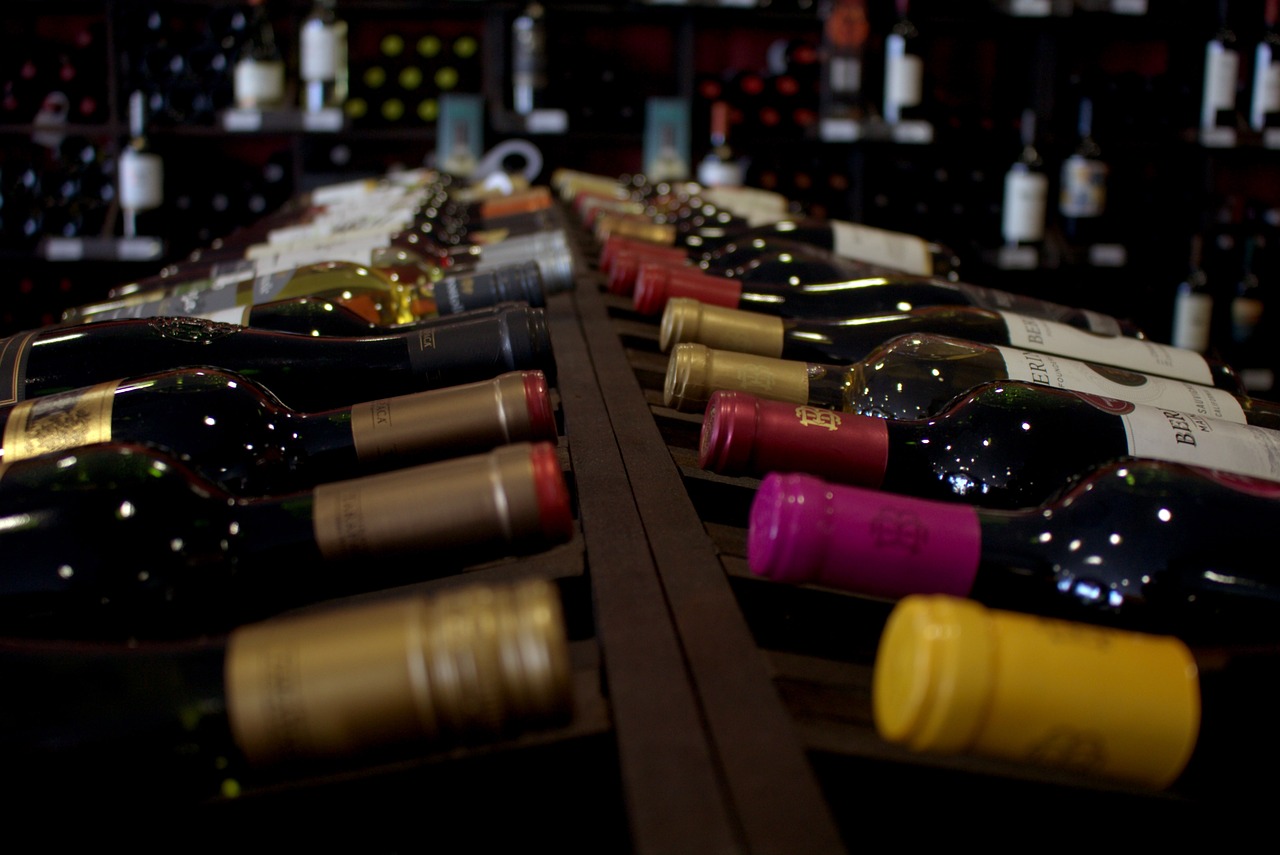
Nestled in the heart of Northern Spain, Rioja is one of the most prestigious and well-known wine regions in the world. With centuries of winemaking tradition, a unique terroir, and strict aging classifications, Rioja wine has earned its place among the top wines globally. Whether you’re a novice or a seasoned wine lover, understanding Rioja is essential to appreciating the depth and diversity of Spanish wine culture.
Where Is Rioja and Why Does It Matter as a Global Icon
The Rioja wine region lies in North-Central Spain, spread across three provinces: La Rioja, Alava (Basque Country), and Navarre. The area is bordered by the Cantabrian Mountains to the north and the Ebro River running through the heart of the region. These geographical features help create a diverse microclimate ideal for vine growing.
Rioja is divided into three sub-regions:
Rioja Alta: Known for elegance and freshness.
Rioja Alavesa: Produces complex, structured wines.
Rioja Oriental (formerly Baja): Warmer climate, riper fruit styles.
This variety within the region allows for blending across zones, leading to balanced, age-worthy wines.
Grape Varieties: The Soul of Rioja Wine
The dominant red grape in Rioja is Tempranillo, prized for its structure, red fruit character, and aging potential. Other supporting grapes include:
Garnacha (Grenache): Adds body and ripe fruit.
Graciano: Brings acidity and aromatics.
Mazuelo (Carignan): Enhances color and tannin structure.
White Rioja wines are gaining attention, particularly those made from Viura (Macabeo), Garnacha Blanca, and Malvasía. These whites can range from crisp and zesty to rich and oaked, offering incredible versatility.
The Rioja Aging Classification System
What sets Rioja wine apart is its regulatory aging classification, a system that ensures consistency and quality across all producers. The categories include:
Joven: Young wines with little or no oak aging, fruit-forward and easy-drinking.
Crianza: Aged for at least 2 years (1 in oak), offering a balanced mix of fruit and oak.
Reserva: Aged for at least 3 years (1 in oak), showing more complexity and finesse.
Gran Reserva: Aged for a minimum of 5 years (2 in oak), showcasing deep, mature flavors ideal for special occasions or long-term cellaring.
This clear system empowers consumers to choose the style they enjoy most.
Rioja White and Rosé Wines: Not to Be Overlooked
While red wines dominate production, white Rioja wines are making waves. Oak-aged Viura can develop flavors reminiscent of aged white Burgundy, with notes of almond, honey, and wax. Younger whites offer fresh citrus and floral tones.
Rosado (Rosé) Rioja, typically made from Garnacha and Tempranillo, is vibrant and refreshing—perfect for summer sipping or pairing with tapas.
What Makes Rioja Wines So Unique?
Blending Tradition: Rioja allows blending not just of grape varieties, but also from different zones, which provides balance and house style consistency.
Barrel Aging: American oak barrels are traditionally used, giving Rioja wines their signature notes of vanilla, coconut, and dill.
Cellaring Potential: Many Rioja wines—especially Reserva and Gran Reserva—can age beautifully for decades.
Food Pairings with Rioja Wine
Crianza Rioja: Grilled lamb, chorizo, roasted vegetables.
Reserva Rioja: Aged Manchego, duck breast, mushroom risotto.
Gran Reserva: Game meats, truffle dishes, or slow-cooked beef.
White Rioja: Seafood paella, goat cheese, or roast chicken.
Rioja wines are incredibly food-friendly, thanks to their balance of acidity, fruit, and tannin.
Sustainability and Innovation in Rioja
In recent years, Rioja has been embracing organic viticulture, climate adaptation, and new winemaking techniques. Producers are experimenting with concrete tanks, native yeasts, and even single-vineyard expressions to highlight terroir over tradition. This blend of heritage and innovation keeps Rioja fresh and relevant in today’s wine world.
Why Rioja Should Be in Your Glass
Whether you’re discovering wine for the first time or looking for a bottle to age in your cellar, Rioja wine offers exceptional value, variety, and character. From the hills of Rioja Alta to the sun-drenched vineyards of Rioja Oriental, each glass tells a story of tradition, climate, and innovation.
Add a bottle of Reserva or Gran Reserva Rioja to your collection—you’ll be tasting the soul of Spain.