When it comes to celebration, elegance, and timeless appeal, few wines rival the reputation of Champagne. More than just a sparkling wine, Champagne is a symbol of luxury, craftsmanship, and French heritage. Produced exclusively in the Champagne region of northeastern France, it’s known for its complexity, finesse, and lively bubbles.
In this blog, we’ll dive into the Champagne region, grape varieties, production process, and the different styles of Champagne. Whether you’re studying for wine qualifications or just love bubbles, this guide will help you understand what makes Champagne so special.
📍 Where Is Champagne Made?
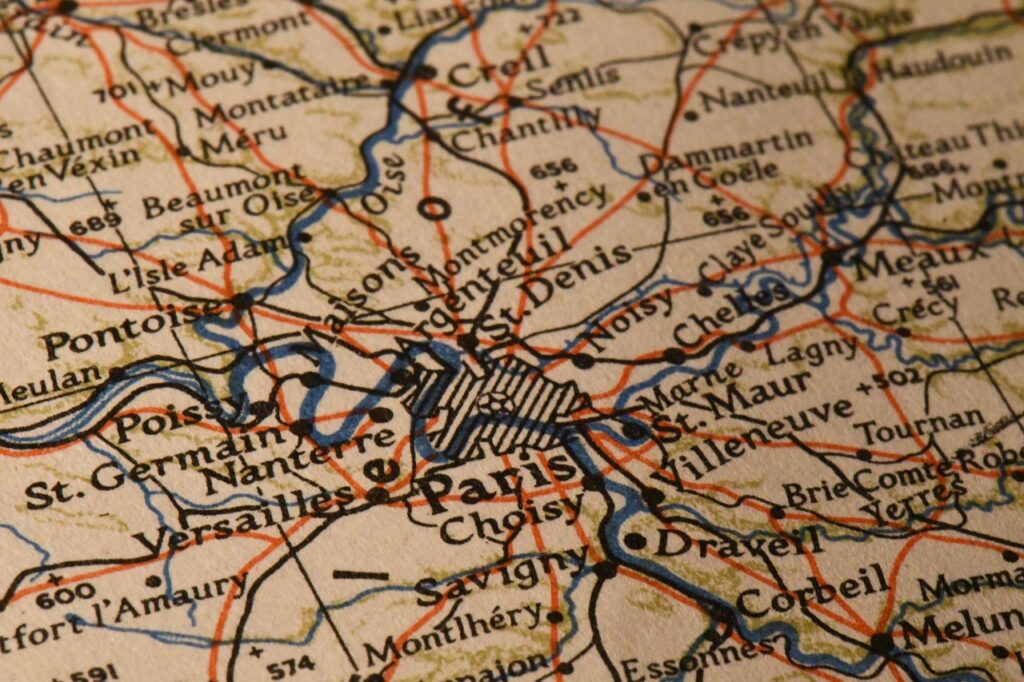
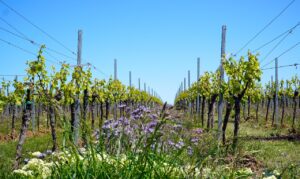
Champagne can only be produced in the Champagne region of France, located about 150 km east of Paris. This designation is protected by law, meaning sparkling wines made elsewhere cannot be labeled as Champagne, even if made using the same method.
The region is divided into five key vineyard areas:
Montagne de Reims – Known for powerful Pinot Noir
Vallée de la Marne – Pinot Meunier thrives here
Côte des Blancs – Home of elegant Chardonnay
Côte de Sézanne – Similar to Côte des Blancs, but fruitier styles
Aube (Côte des Bar) – Southernmost zone with a focus on Pinot Noir
Each subregion brings unique characteristics to the final blend, giving Champagne its complexity and balance.
🍇 Grape Varieties in Champagne
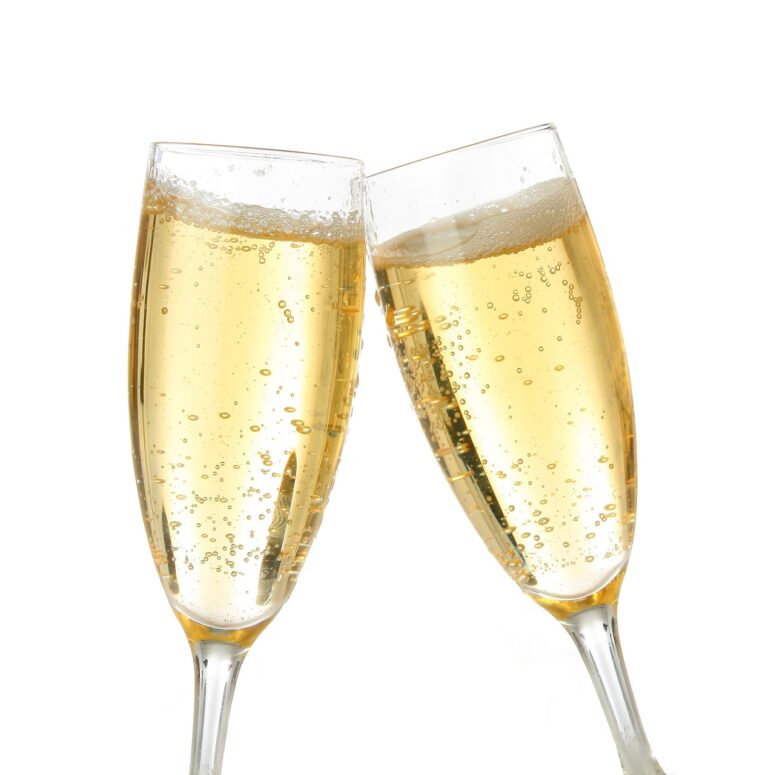
Two Glasses of Sparkling Wine
Three main grape varieties are used in Champagne production:
Chardonnay – Adds freshness, elegance, and citrus or floral notes
Pinot Noir – Brings structure, red fruit flavors, and aging potential
Meunier (formerly Pinot Meunier) – Offers roundness, fruitiness, and early accessibility
Although most Champagnes are blends of all three grapes, some producers make Blanc de Blancs (100% Chardonnay) or Blanc de Noirs (100% Pinot Noir and/or Meunier) to highlight specific styles.
🍾 How Champagne Is Made: Méthode Traditionnelle
What truly sets Champagne apart is its method of production, known as the méthode traditionnelle (traditional method). This involves a complex, multi-step process that includes:
Primary Fermentation – Base wine is fermented like a still white wine
Blending – Wines from different grapes, vintages, and vineyards are combined
Second Fermentation in Bottle – Sugar and yeast are added; bottles are sealed to trap the CO₂
Aging on Lees – Bottles age for a minimum of 15 months (non-vintage) or 36 months (vintage), adding flavor complexity
Riddling and Disgorgement – Sediment is moved to the neck and removed
Dosage – A small amount of sugar and wine (liqueur d’expédition) is added before final corking
This meticulous process gives Champagne its fine bubbles, yeasty character, and long finish.
🥂 Styles of Champagne
Champagne comes in a variety of styles to suit every palate and occasion:
Non-Vintage (NV) – The most common style, blended from multiple years for a consistent house style
Vintage – Made from grapes of a single exceptional year; more complex and age-worthy
Blanc de Blancs – 100% Chardonnay, light, crisp, and elegant
Blanc de Noirs – Made from black grapes (Pinot Noir and Meunier), richer and fuller-bodied
Rosé Champagne – Created by blending still red wine into the base wine or by skin contact; vibrant and fruit-forward
Prestige Cuvée – The top wine from a Champagne house, such as Dom Pérignon or Cristal, crafted from the finest grapes and best vintages
🧀 Food Pairing with Champagne
One of Champagne’s greatest strengths is its versatility at the table. Thanks to its high acidity and effervescence, it cuts through richness and complements a wide range of dishes.
Blanc de Blancs: Try with oysters, sushi, or goat cheese
Blanc de Noirs: Pairs well with roast chicken, duck, or mushroom risotto
Rosé Champagne: Great with charcuterie, berry-based desserts, or grilled salmon
Vintage Champagne: Matches creamy sauces, aged cheeses, or even truffle pasta
🥇 Top Champagne Producers
Champagne has many prestigious producers, each with their unique style:
Moët & Chandon – Known for its iconic Brut Impérial and Dom Pérignon
Veuve Clicquot – Famous for bold, structured Champagnes
Also, don’t overlook grower Champagnes, made by independent producers who grow and vinify their own grapes. These wines offer terroir-driven expressions of Champagne and are gaining popularity among connoisseurs.
📚 Champagne and Wine Education
For wine students—especially those studying for WSET Level 2 or 3 as well as FWS in the WSG, understanding Champagne is essential. Key points to remember include:
Appellation laws and protected name status
Grape varieties and regional differences
Production method (méthode traditionnelle)
Lees aging and dosage levels
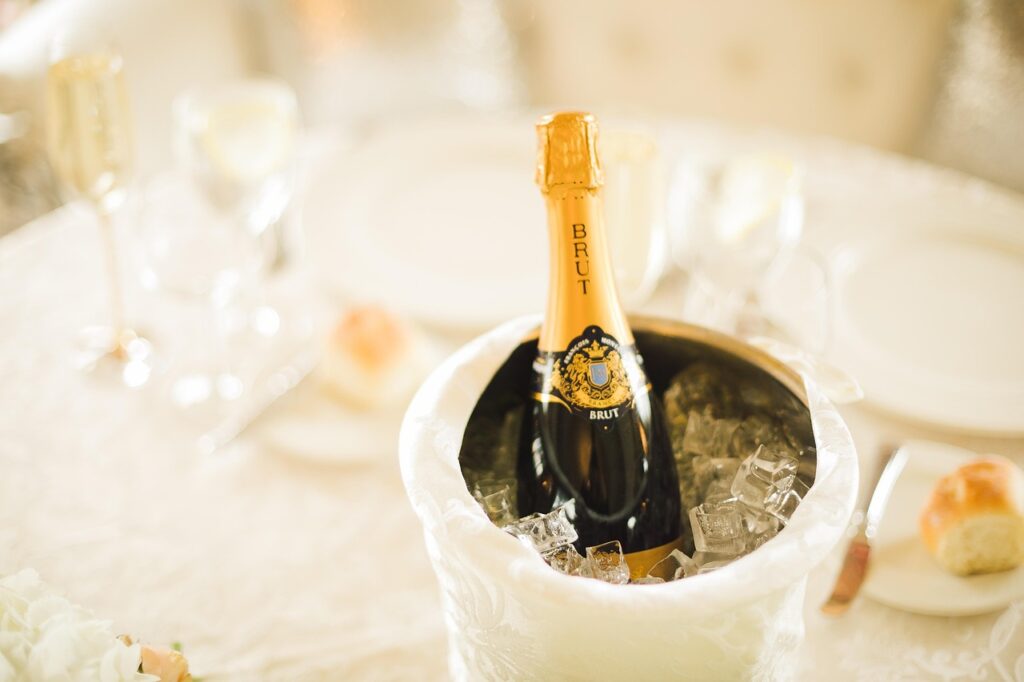
Styles and labeling terms like Brut, Extra Brut, and Demi-Sec
Studying Champagne is not only important for exams but also helps develop a deeper appreciation of wine’s craftsmanship.
🍇 Conclusion
Champagne is more than just a celebratory drink—it’s a testament to tradition, skill, and the magic of terroir. From its historic vineyards and strict production rules to its luxurious taste and cultural significance, Champagne stands as a pillar of the wine world.
Whether you’re preparing for wine qualifications or simply enjoying a toast, knowing more about Champagne enriches every sip.
We use cookies to ensure that we give you the best experience on our website. If you continue to use this site we will assume that you are happy with it, or you can view our Privacy Policy.