Few wines capture purity and precision like Chablis. Located in the northernmost part of Burgundy, France, Chablis produces white wines made exclusively from Chardonnay, but unlike any you may have tasted before. Known for its crisp acidity, flinty minerality, and refreshing citrus notes, Chablis is the go-to wine for those seeking a clean, terroir-driven white.
In this blog, we’ll take you through the Chablis region, its terroir, grape variety, quality levels, and the unique character that makes Chablis one of the most celebrated white wines in the world.
📍 Where Is Chablis?
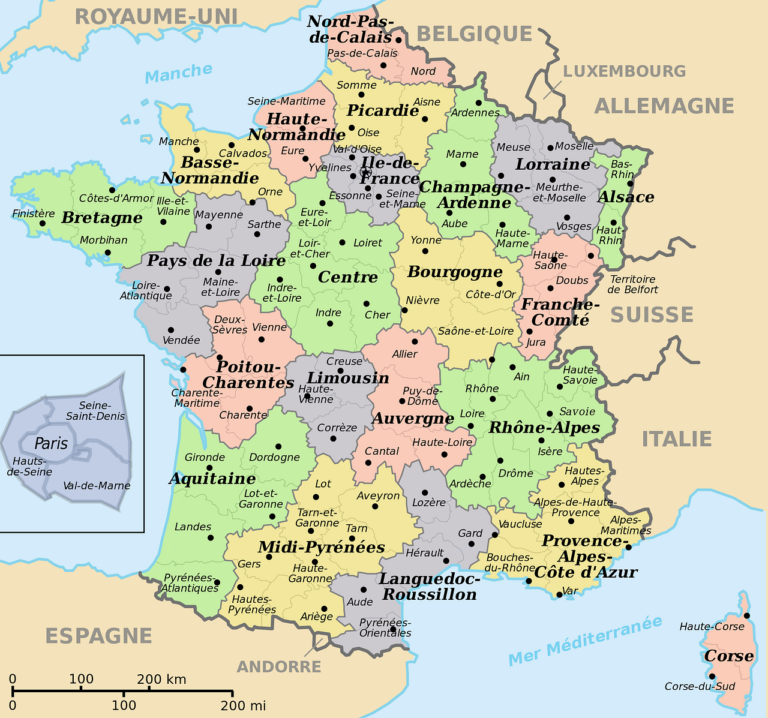
France Map and Wine Regions
Chablis is located in northern Burgundy, about halfway between Paris and Beaune. Although it is technically part of Burgundy, Chablis is geographically separate from the Côte d’Or. Its cool continental climate and limestone-rich soils give it a distinctive character, different from the richer styles of Chardonnay found further south.
The region has a long winemaking history dating back to Roman times, and by the 12th century, Cistercian monks had begun cultivating vines on the best hillsides. Today, Chablis remains a benchmark for unoaked or lightly oaked Chardonnay worldwide.
🍇 Chablis = Chardonnay
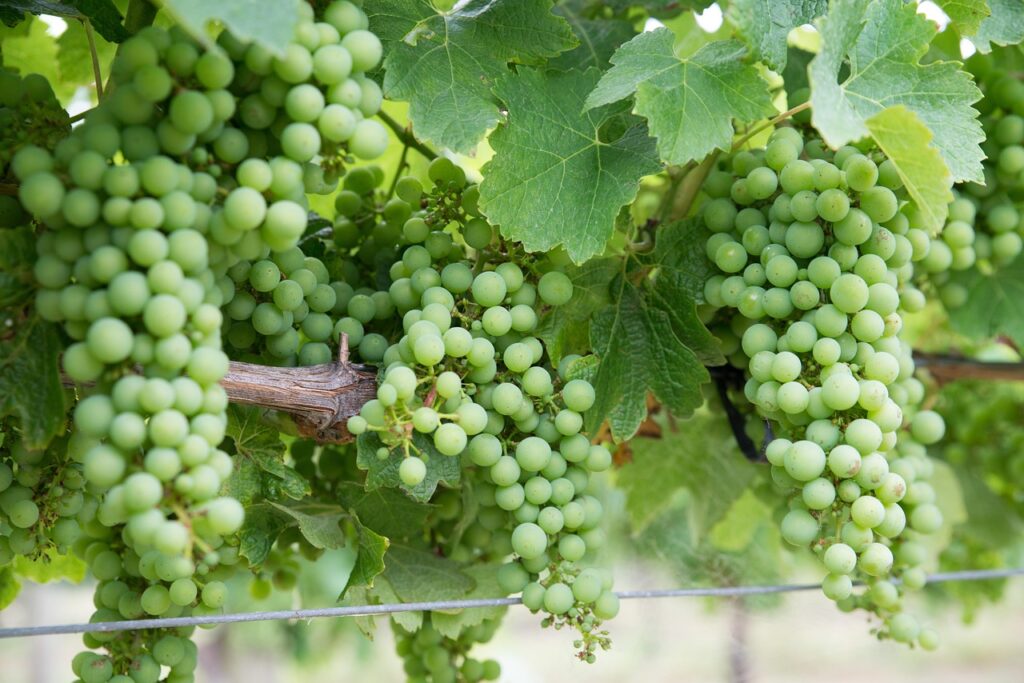
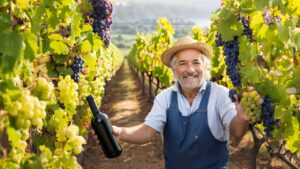
Chardonnay Grapes Awaiting for Ripening
All Chablis wines are made from 100% Chardonnay, but don’t expect the buttery or tropical notes associated with New World styles. Chablis focuses on purity of fruit, acidity, and minerality.
Typical tasting notes include:
Lemon, green apple, and pear
White flowers
Wet stone or flint
Sometimes saline or oyster shell characteristics
The result is a wine that’s vibrant, linear, and ideal for food pairing.
🌍 Terroir: The Soul of Chablis
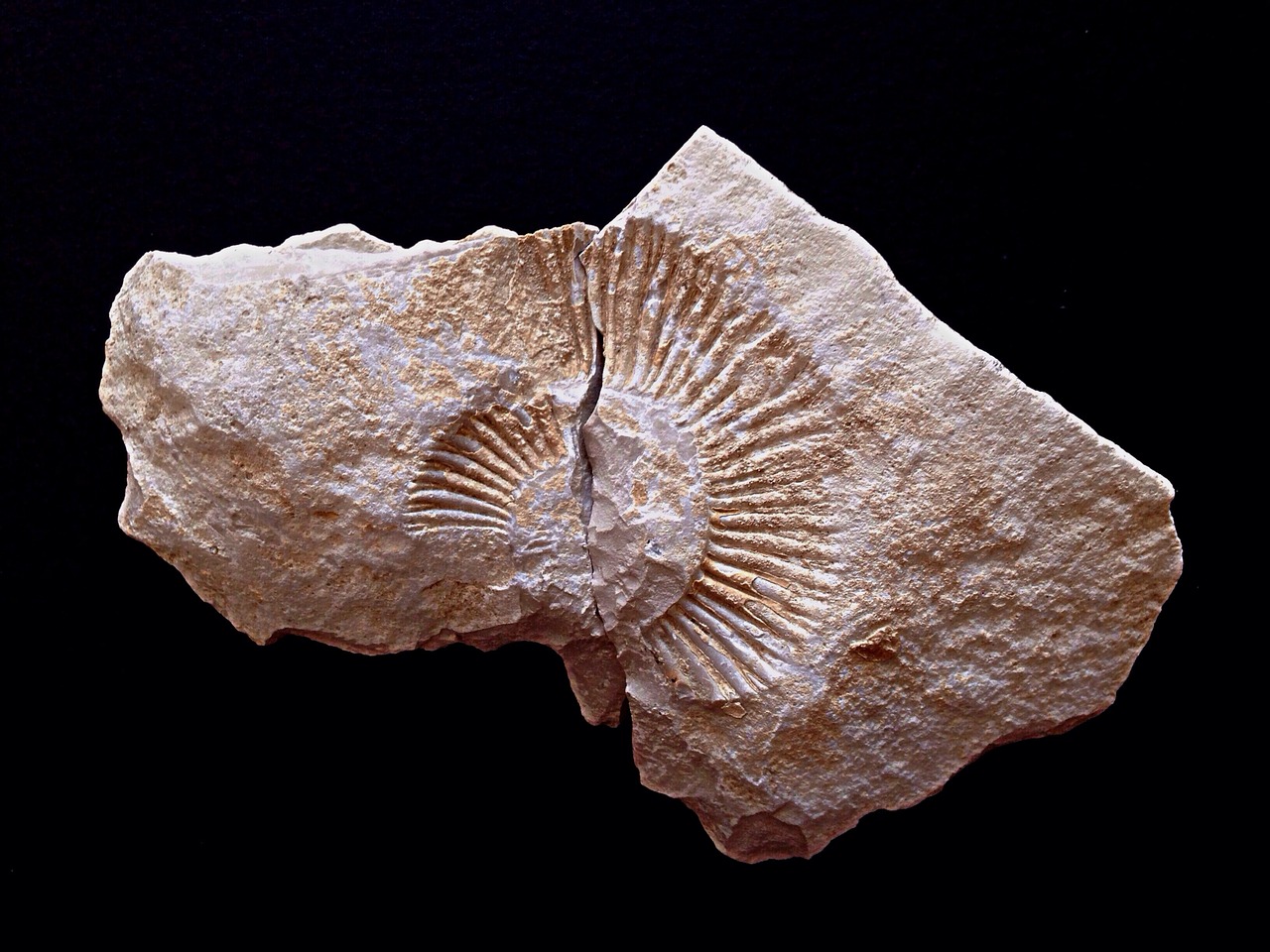
Chablis owes its unique style to its cool climate and Kimmeridgian limestone soils. These ancient soils contain fossilized seashells and marine sediments, which contribute to the wine’s mineral character and freshness.
The best vineyards are planted on south or southwest-facing slopes, allowing for better sun exposure and grape ripening. The cooler temperatures help preserve high acidity, which is a hallmark of Chablis.
🏷️ The Four Quality Levels of Chablis
Chablis wines are classified into four distinct appellations, each offering a different expression of the Chardonnay grape.
1. Petit Chablis
Grown on higher ground with Portlandian limestone soils
Light, fresh, and made for early drinking
Flavors: green apple, citrus, and chalky minerality
2. Chablis
The largest and most common classification
More complexity than Petit Chablis, with good acidity and minerality
Ideal for seafood and light poultry dishes
3. Chablis Premier Cru
Produced from 40 designated vineyards
South- or southeast-facing slopes for better ripening
Greater intensity, complexity, and aging potential
Examples: Montée de Tonnerre, Vaillons, Fourchaume
4. Chablis Grand Cru
Only seven vineyards, all located on one hill near the town of Chablis
South-facing slopes and top-quality Kimmeridgian soils
Rich, layered wines that can age for decades
Examples: Les Clos, Valmur, Blanchot
🍷 Oak or No Oak?
Traditional Chablis is known for its unoaked style, allowing the purity of Chardonnay and the minerality of the terroir to shine. However, some Premier Cru and Grand Cru producers age their wines in old oak barrels to add texture and subtle complexity, not to impart strong oak flavors.
Whether oaked or not, the best Chablis wines are balanced, precise, and expressive.
🧀 Food Pairing with Chablis
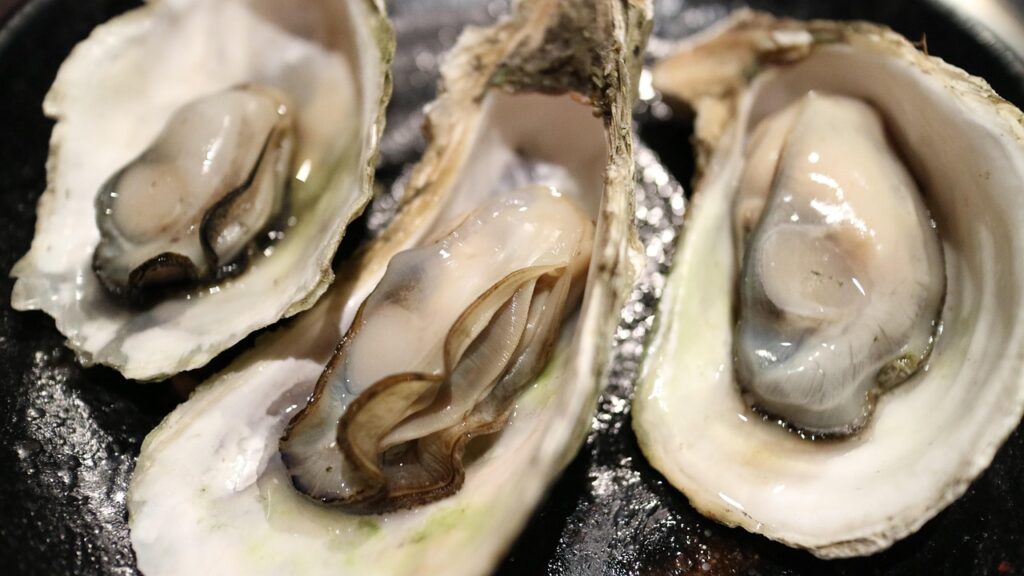
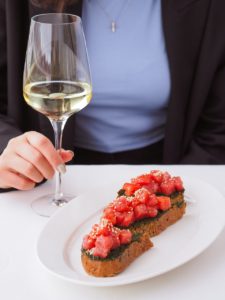
Fresh Oyster Delicacy
Thanks to its crisp acidity and mineral edge, Chablis is a fantastic food wine. It pairs beautifully with:
Oysters and shellfish
Sushi and sashimi
Goat cheese (like Crottin de Chavignol)
Light poultry dishes
Salads with vinaigrette
Grilled white fish
Premier Cru and Grand Cru Chablis also match well with richer fare, like lobster, creamy sauces, or roasted chicken with herbs
🥇 Top Producers to Try
If you’re new to Chablis or want to explore top-quality wines, look for these respected producers:
Domaine William Fèvre – A benchmark for traditional Chablis, offering wines at every quality level
Domaine Laroche – Known for elegant, expressive Premier and Grand Cru Chablis
Jean-Marc Brocard – Produces organic and biodynamic wines with a focus on purity
Dauvissat and Raveneau – Legendary producers whose wines are highly sought after and age-worthy
📚 Chablis and Wine Education
Chablis is a key topic in wine education programs like WSET Level 2 and 3. Understanding its climate, soils, styles, and classification is essential for exams and builds a strong foundation for appreciating other Burgundian wines.
Key terms to remember:
Kimmeridgian soils
Unoaked Chardonnay
Premier Cru vs. Grand Cru
Cool climate viticulture
Chablis offers a pure, precise expression of Chardonnay unlike any other wine region. Its cool climate, unique soils, and commitment to terroir-driven winemaking make it a must-try for anyone passionate about white wine.
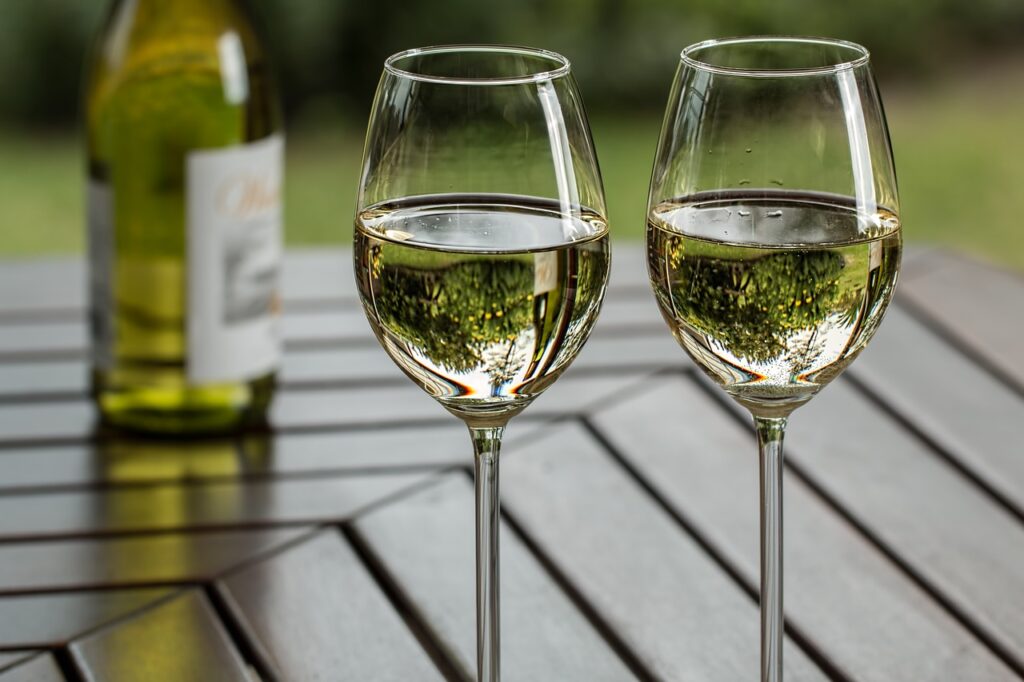
Whether you’re sipping a crisp Petit Chablis on a sunny afternoon or aging a Grand Cru for a special occasion, Chablis delivers clarity, elegance, and depth in every glass.
We use cookies to ensure that we give you the best experience on our website. If you continue to use this site we will assume that you are happy with it, or you can view our Privacy Policy.