Located in the sun-drenched heel of Italy’s boot, Puglia (or Apulia in English) has emerged as a powerhouse of flavorful, food-friendly wines that are gaining global recognition. Among its many appellations, Salice Salentino stands out as one of the most important, producing rich, expressive reds from native grape varieties like Negroamaro and Malvasia Nera.
In this blog, we’ll explore what makes Puglia and Salice Salentino wines so exciting—from the land and climate to the grape varieties and wine styles you need to know.
🌞 The Puglia Wine Region: A Southern Star
Stretching along the Adriatic and Ionian seas, Puglia is one of Italy’s largest and most productive wine regions. The region is known for its sunny Mediterranean climate, fertile soils, and centuries-old winemaking traditions.
Key characteristics of Puglia wines:
Warm, ripe fruit flavors
Full-bodied reds with soft tannins
Value for money — high quality at affordable prices
Organic and sustainable viticulture is increasingly common
Puglia’s flat terrain and reliable sunshine allow for consistent vintages, making it a dependable source of bold red wines.
🍷 Salice Salentino: The Flagship DOC of Southern Puglia
Salice Salentino DOC is located in the heart of the Salento Peninsula, between the cities of Lecce, Brindisi, and Taranto. Established in 1976, it is one of the most respected denominations in southern Italy.
The region takes its name from the town of Salice Salentino, a charming village surrounded by olive groves and vineyards. Here, traditional winemaking meets innovation, resulting in expressive wines with both power and finesse.
🍇 Grape Varieties of Salice Salentino
The star of the show in Salice Salentino is Negroamaro, a dark-skinned grape native to the region.
1. Negroamaro
Name means “black and bitter,” but the wines are anything but harsh.
Produces deep ruby-red wines with notes of black cherry, plum, licorice, and earthy spice.
Known for its silky tannins and velvety mouthfeel.
Negroamaro thrives in the hot, dry climate of southern Puglia, and is often blended with Malvasia Nera for added aroma and softness.
2. Malvasia Nera
Adds floral and red berry notes to blends.
Softens the structure of Negroamaro wines.
Often used in the Salice Salentino Rosso blends.
3. Primitivo
While more closely associated with other parts of Puglia (like Manduria), Primitivo is also grown in Salento. It produces jammy, fruit-forward wines similar in style to California Zinfandel.
🍷 Wine Styles of Salice Salentino DOC
🔴 Salice Salentino Rosso
The flagship style of the region, made primarily from Negroamaro, often blended with a small percentage of Malvasia Nera.
Tasting Notes:
Ripe black fruit (plum, blackberry)
Hints of tobacco, dried herbs, and cocoa
Full-bodied with soft tannins and moderate acidity
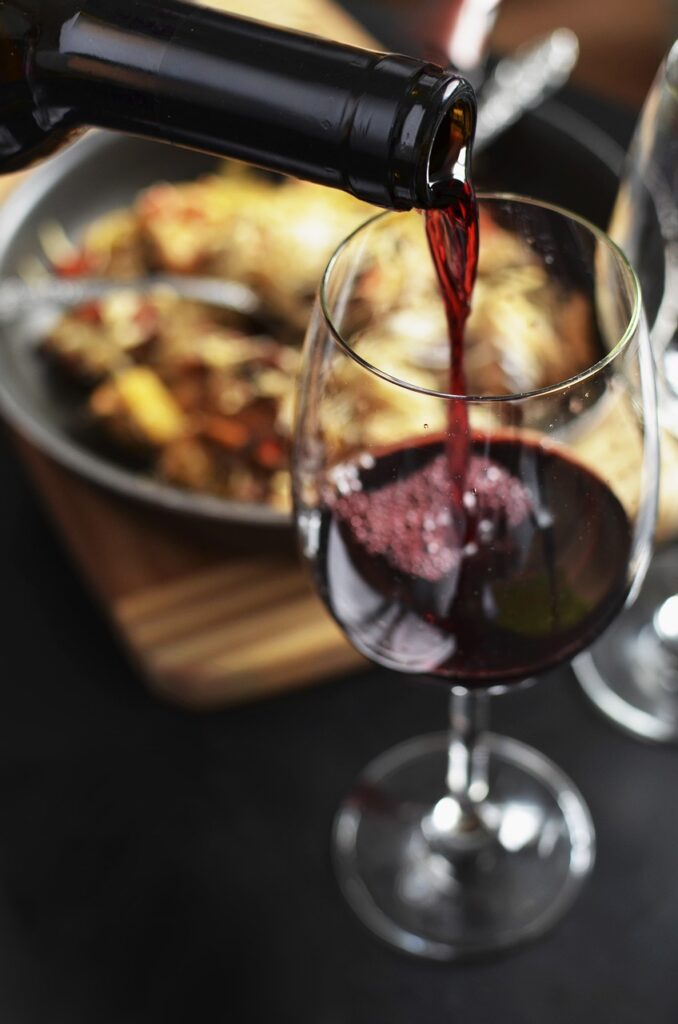
These wines age well and pair beautifully with rich dishes like grilled meats, pasta with ragu, or aged cheeses.
🩷 Salice Salentino Rosato
A dry rosé made from Negroamaro, offering vibrant acidity and flavors of strawberry, rose petals, and citrus zest. Perfect for summer sipping or seafood pairings.
🍬 Salice Salentino Dolce and Riserva
Riserva wines are aged for a minimum of 2 years, including 6 months in oak.
Dolce styles include late-harvest or sweet red wines that highlight Negroamaro’s natural richness.
🧭 Why Visit the Salice Salentino Region?
Wine tourism in Puglia is booming, with rustic charm, authentic cuisine, and hospitality at every turn.
Things to explore:
Family-run wineries like Leone de Castris, Cantele, and Apollonio.
Olive oil farms, local food markets, and cooking classes.
Coastal towns and historic cities like Lecce, known as the “Florence of the South.”
Visitors can enjoy vineyard walks, barrel tastings, and wine-pairing lunches in peaceful countryside settings.
🌱 Sustainability and Tradition
Many Puglian wineries are returning to sustainable and organic farming methods to preserve their environment and produce purer expressions of their grapes. This includes:
Dry farming to reduce water usage
Cover crops and natural composting
Minimal intervention in the cellar
This modern approach, paired with centuries of winemaking heritage, is what makes Salice Salentino wines truly special.
🍽️ Food Pairing Ideas
Puglia’s wines are incredibly food-friendly. Here are a few pairing suggestions for Salice Salentino wines:
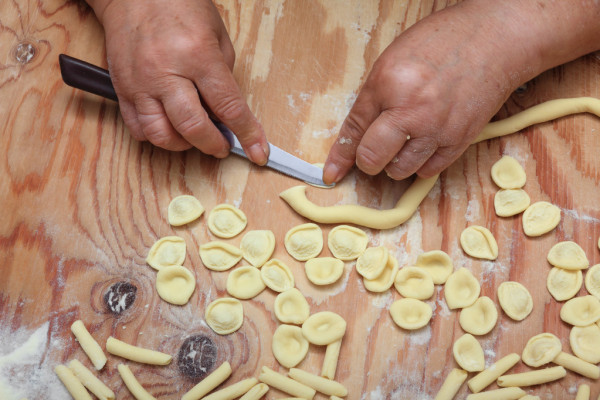
Salice Salentino Rosso: Lamb chops, orecchiette with sausage and broccoli rabe, Parmigiano-Reggiano.
Rosato: Caprese salad, grilled shrimp, burrata.
Riserva: Braised short ribs, aged Pecorino, pasta al forno.
The wines’ ripe fruit and balanced structure make them excellent partners for hearty and rustic Italian fare.
Puglia and Salice Salentino wines offer a taste of southern Italy’s rich viticultural heritage, bold, sun-ripened, and full of character. Whether you’re discovering these wines at home or planning a trip to the heel of Italy, Salice Salentino offers unforgettable experiences both in the glass and beyond.
Affordable, approachable, and increasingly sustainable, these wines are a must for any wine enthusiast or WSET student looking to expand their palate.
We use cookies to ensure that we give you the best experience on our website. If you continue to use this site we will assume that you are happy with it, or you can view our Privacy Policy.