Sauvignon Blanc is one of the world’s most beloved white grape varieties: crisp, aromatic, and bursting with character. From the flinty, mineral-driven wines of the Loire Valley to the bold tropical fruit styles of New Zealand, Sauvignon Blanc wines show remarkable diversity depending on climate, soil, and winemaking techniques.
In this blog, we’ll explore how Sauvignon Blanc expresses itself in different corners of the world and examine the winemaking practices that shape its unique flavor profiles.
🌍 Origins and Global Reach of Sauvignon Blanc
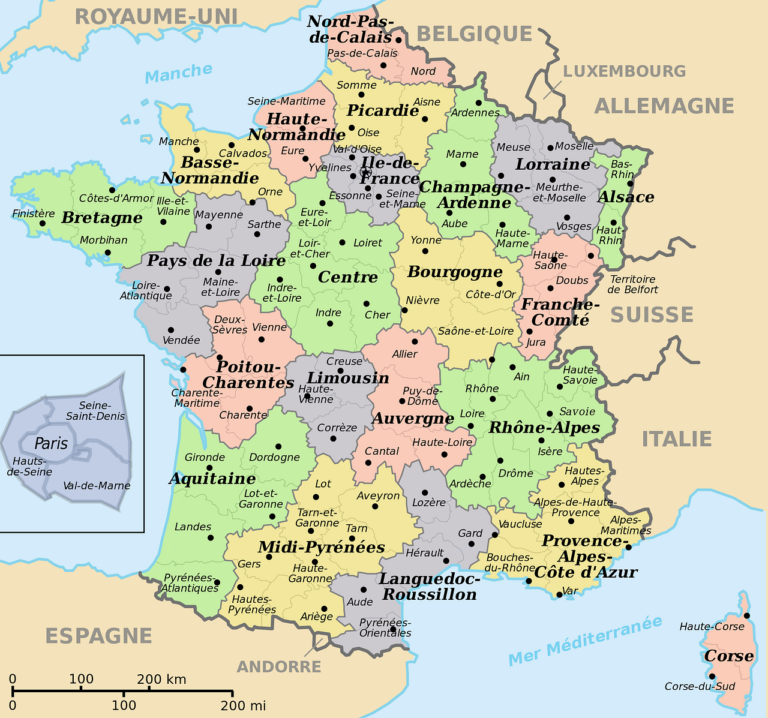
France Map and Wine Regions
Originally from France, Sauvignon Blanc has successfully adapted to many wine-growing regions around the world. Today, it’s widely planted in:
France (Loire Valley and Bordeaux)
New Zealand
Chile
South Africa
California (USA)
Italy and Spain (in smaller amounts)
Each region brings its own twist to this zesty grape variety, influencing the wine’s acidity, aroma profile, and texture.
🇫🇷 France: Elegance and Minerality
Loire Valley: Sancerre & Pouilly-Fumé
France’s Loire Valley is considered the spiritual home of Sauvignon Blanc. Here, the wines are bone dry, high in acidity, and known for their minerality and subtle complexity.
Winemaking Techniques:
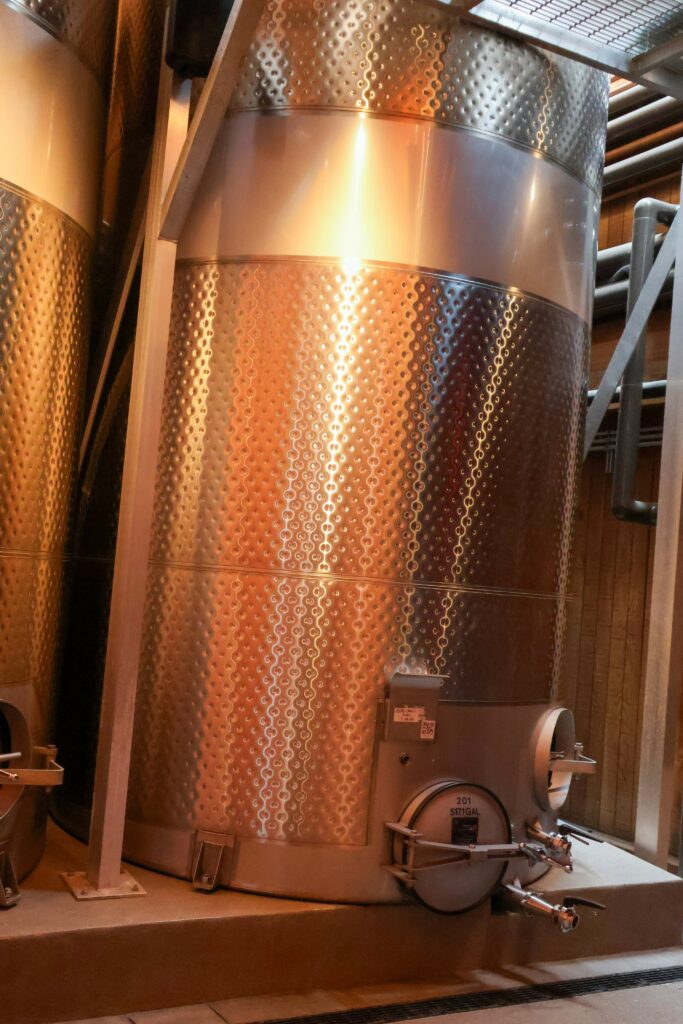
Stainless steel fermentation to preserve freshness
No oak aging
Lees stirring (bâtonnage) in some cases for added texture
Flavor Profile:
Lime, green apple, flint, grass, gooseberry
Sancerre and Pouilly-Fumé are benchmarks for Sauvignon Blanc lovers who appreciate refinement and terroir expression.
Bordeaux: Blends and Oak Influence
In Bordeaux, Sauvignon Blanc is often blended with Sémillon, especially in regions like Pessac-Léognan and Graves. These wines may see oak aging, giving them a richer, creamier mouthfeel.
Flavor Profile:
Citrus peel, toast, vanilla, tropical fruits
🇳🇿 New Zealand: Bold and Aromatic
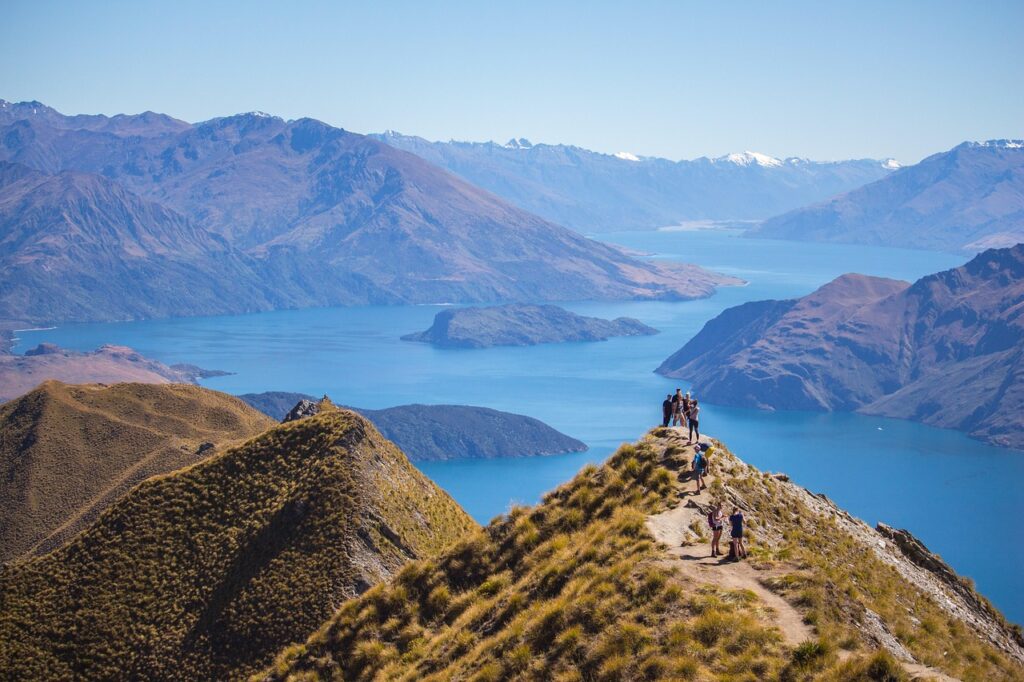
New Zealand revolutionized the global image of Sauvignon Blanc in the 1980s, especially in Marlborough, where it produces vivid, zesty wines with intense aromatics.
Winemaking Techniques:
Cold fermentation in stainless steel to lock in freshness
Minimal oxidation
No oak or malolactic fermentation (in most cases)
Flavor Profile:
Passion fruit, grapefruit, bell pepper, gooseberry, fresh herbs
New Zealand Sauvignon Blanc is loved for its vibrant acidity, bold flavors, and immediate drinkability.
🇺🇸 California: Ripe and Rounded Styles
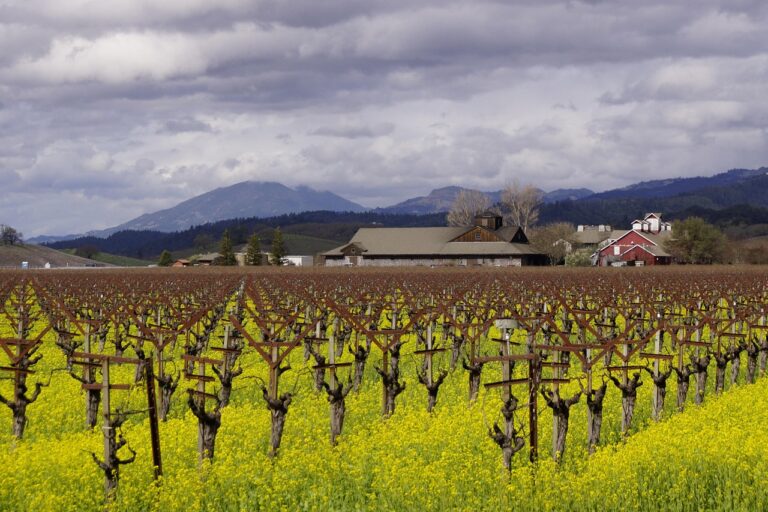
California offers a warmer climate that produces fruit-forward and sometimes oak-influenced Sauvignon Blanc wines. Regions like Napa Valley often use the term Fumé Blanc, a name popularized by Robert Mondavi to denote oaked styles.
Winemaking Techniques:
Both stainless steel and oak fermentation
Some malolactic fermentation for a creamy texture
Extended lees contact
Flavor Profile:
Melon, peach, vanilla, lemon curd
These wines are typically richer and rounder, appealing to those who enjoy a fuller white wine.
🇨🇱 Chile: Cool Climate Complexity
Chile’s Casablanca and Leyda Valleys offer cool maritime climates ideal for fresh, crisp Sauvignon Blanc. The wines here sit stylistically between France and New Zealand.
Winemaking Techniques:
Stainless steel fermentation
Night harvesting to preserve acidity
Early bottling to retain freshness
Flavor Profile:
Lemon zest, green chili, pear, saline notes
Chile’s Sauvignon Blanc wines are known for their value, purity, and increasing complexity.
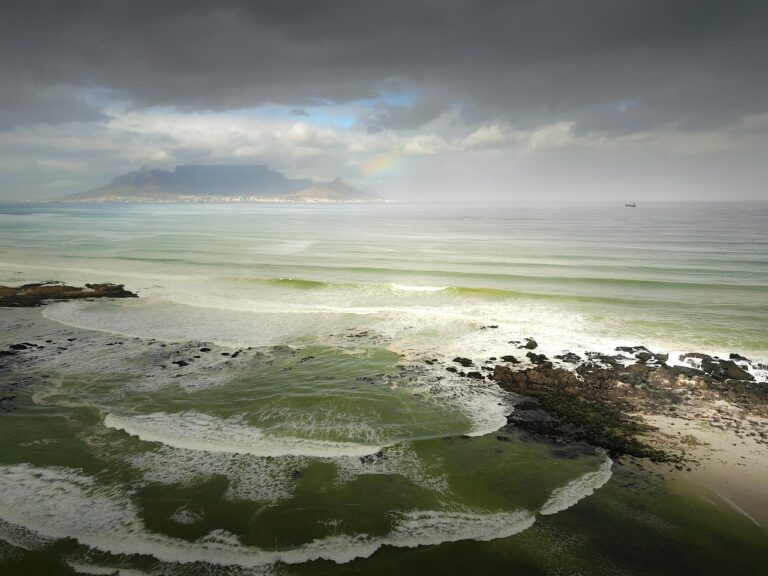
🇿🇦 South Africa: A Fusion of Old and New World
South Africa produces excellent Sauvignon Blanc across several regions, with Stellenbosch and Elgin standing out. The wines can be grassy and mineral, like those from the Loire, or fruit-forward, like those from New Zealand.
Winemaking Techniques:
Cool fermentation in stainless steel
Some experimentation with skin contact and barrel aging
Blending with Sémillon in some cases
Flavor Profile:
Green fig, lime, gooseberry, flint
South African Sauvignon Blanc offers a unique balance of freshness and depth, appealing to a wide range of palates.
🧪 Winemaking Techniques That Shape Sauvignon Blanc
Here are a few key techniques winemakers use to influence Sauvignon Blanc wines:
1. Stainless Steel Fermentation
Preserves freshness and primary fruit aromas
Popular in cool climate regions
2. Oak Aging
Adds body, spice, and creamy texture
Used in Bordeaux and California
3. Lees Contact
Increases mouthfeel and complexity
Often used in Loire Valley and premium producers
4. Skin Contact and Natural Winemaking
Emerging among boutique winemakers
Leads to “orange” or slightly oxidative styles
🍽️ Food Pairings for Sauvignon Blanc Wines
Thanks to its high acidity and aromatic intensity, Sauvignon Blanc is a versatile food wine.
Classic Pairings:
Goat cheese (especially with Sancerre)
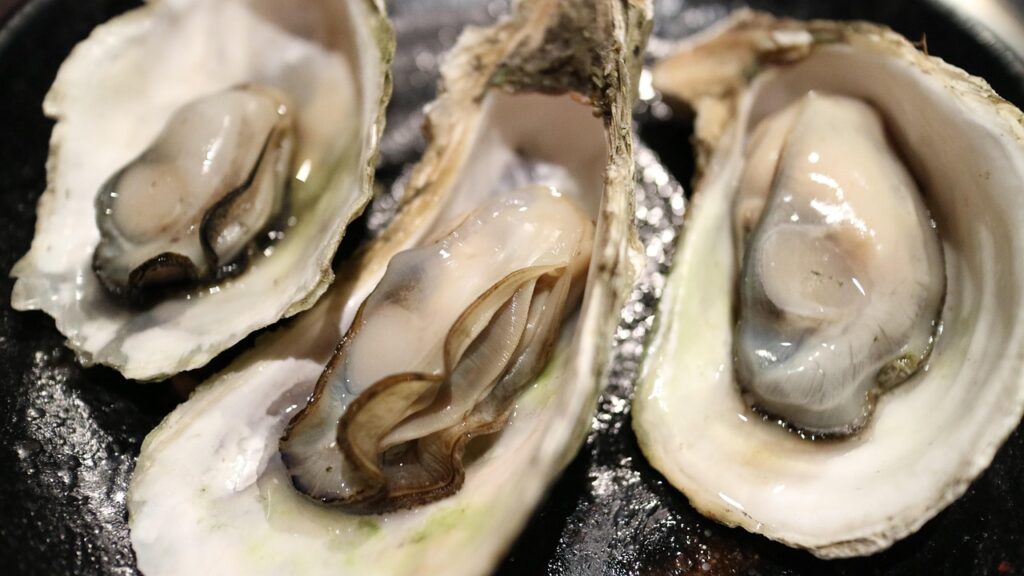
Oysters and shellfish
Grilled vegetables
Thai green curry or sushi (with New Zealand styles)
Roast chicken or asparagus (with oaked or blended styles)
🥂 Final Thoughts
From the flinty finesse of Sancerre to the tropical punch of Marlborough, Sauvignon Blanc wines offer an incredible journey across regions and winemaking styles. Whether you’re studying for WSET or simply a wine lover eager to explore, there’s a Sauvignon Blanc out there for every palate.
Next time you’re browsing the wine aisle or planning a tasting, try comparing a few bottles side by side—you’ll be amazed at how climate, soil, and technique shape this globally cherished white grape.
We use cookies to ensure that we give you the best experience on our website. If you continue to use this site we will assume that you are happy with it, or you can view our Privacy Policy.