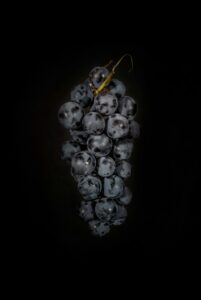
Pinot Grigio is one of the most recognized white wines in the world, known for its light, refreshing character. However, its style can vary significantly based on region, climate, and winemaking. Whether you’re preparing for a WSET Level 2 or Level 3 exam, or simply want to elevate your wine tasting skills, understanding Pinot Grigio through the Systematic Approach to Tasting (SAT) is essential.
In this blog, we break down Pinot Grigio’s tasting profile according to the WSET SAT, covering appearance, nose, palate, structure, and conclusion.
🍷 1. Appearance
Under WSET SAT, appearance includes clarity, intensity, and color.
Clarity: Clear
Intensity: Pale
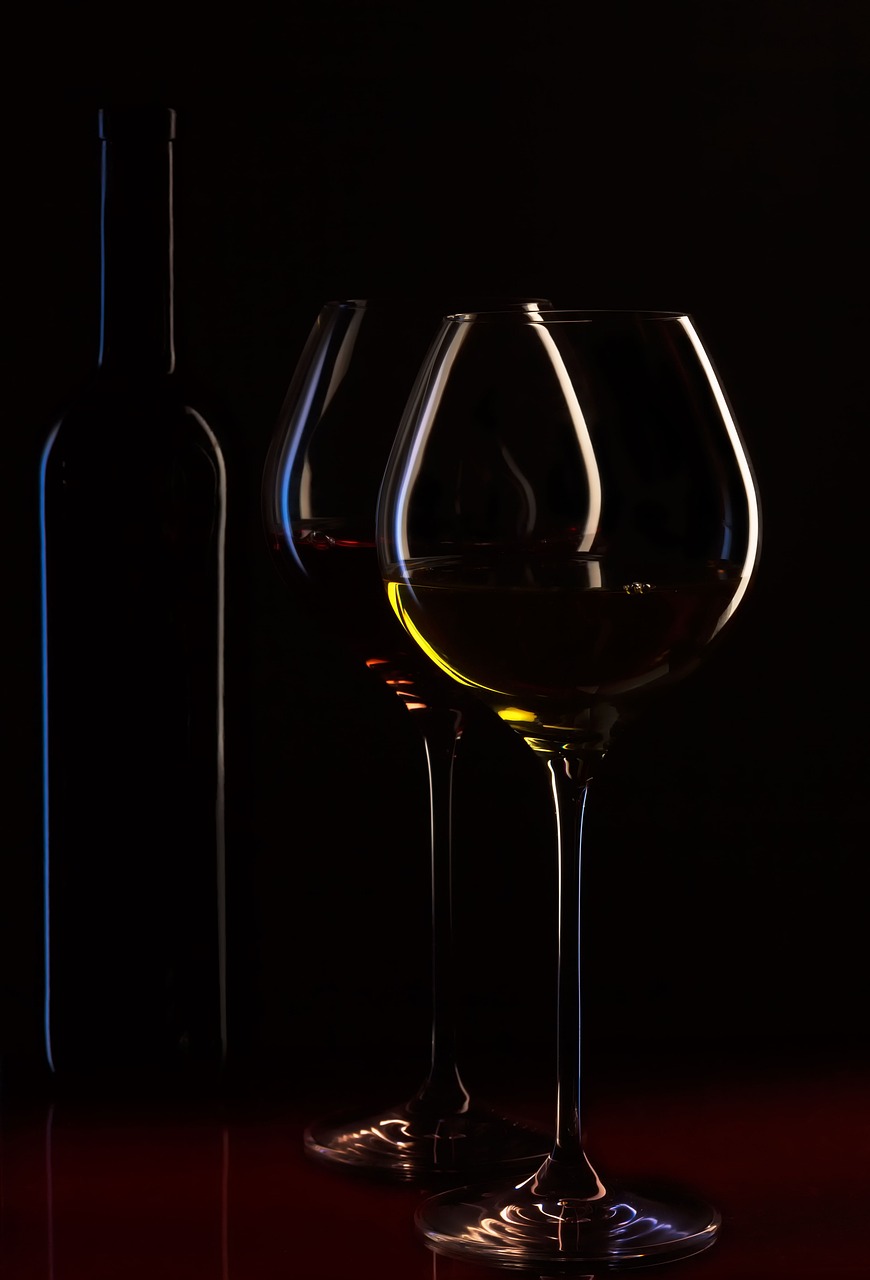
Color: Lemon
Pinot Grigio is typically a pale lemon color, especially when grown in cooler climates like Northern Italy. Wines from Alsace (as Pinot Gris) or warmer regions may be deeper in color due to higher ripeness or skin contact.
👃 2. Nose (Aroma Profile)
The nose is assessed for condition, intensity, and aroma characteristics.
Condition: Clean
Intensity: Light to medium
Aromas:
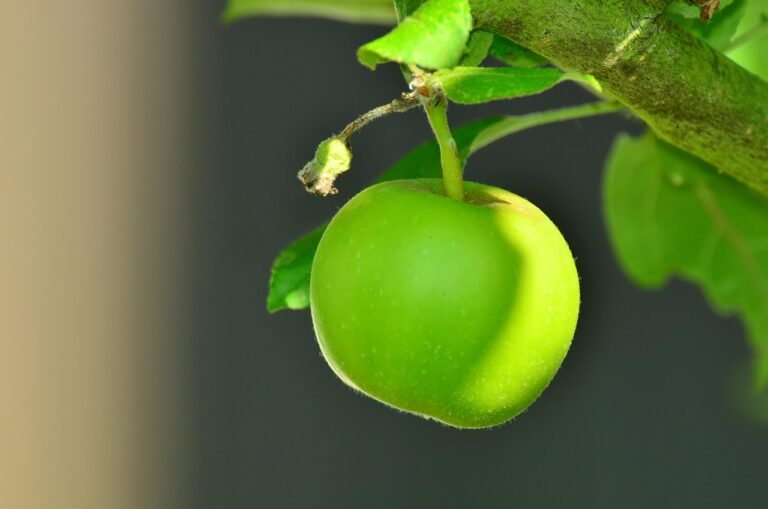
Primary: Green apple, pear, lemon, lime, peach
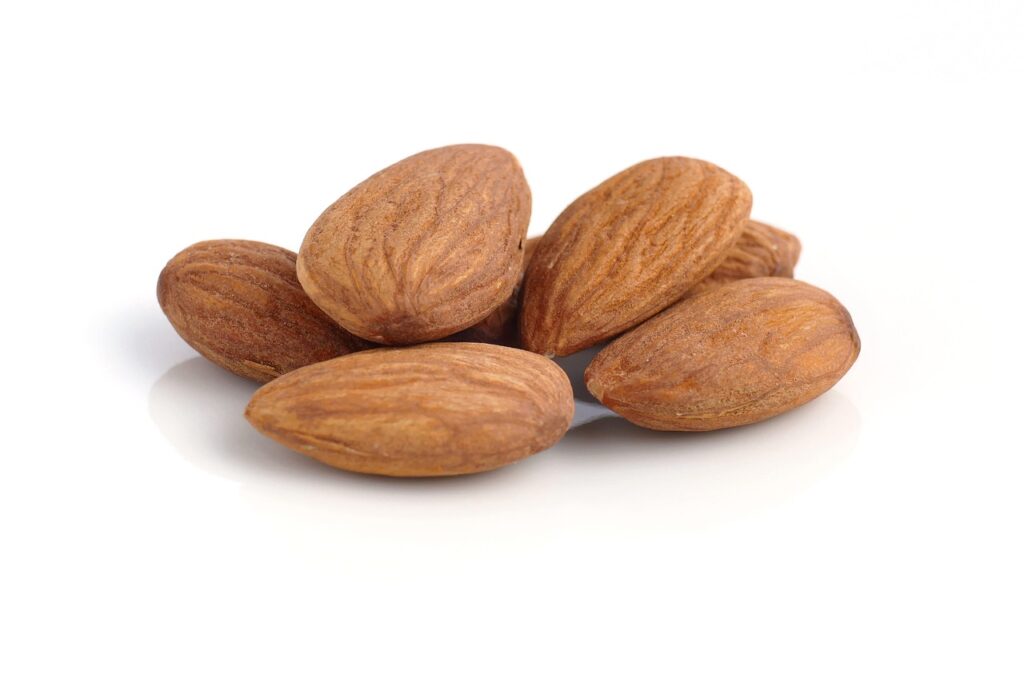
Occasional secondary (depending on winemaking): Almond, bread dough (if lees-aged)
Occasional tertiary (in older or higher-quality examples): Honey, dried fruit
Pinot Grigio from Italy is often neutral, with light citrus and orchard fruit notes. When grown in Alsace (as Pinot Gris), it tends to be more expressive with riper stone fruit, honeyed notes, and sometimes spicy undertones.
👅 3. Palate
This is where you evaluate sweetness, acidity, alcohol, body, flavor intensity, and flavor characteristics.
a) Sweetness:
Dry (typical for Italian Pinot Grigio)
Off-dry to medium (Alsace Pinot Gris or late-harvest styles)
b) Acidity:
Medium to high
Pinot Grigio’s defining structural feature is its refreshing acidity, which makes it a popular summer wine and great with light dishes.
c) Alcohol:
Medium (usually 11.5%–13.5% ABV) Warmer climate styles can reach slightly higher alcohol levels.
d) Body:
Light to medium
Most Italian examples are light-bodied. However, richer styles from Alsace or oak-aged Pinot Gris will have a medium body and more texture.
e) Flavor Intensity:
Light to medium
Standard commercial Pinot Grigio is often light in flavor. However, high-quality versions can have moderate complexity, especially if aged on lees.
f) Flavors:
Primary: Apple, pear, lemon, lime, peach
Secondary: Almond, bread dough, cream (if lees or oak used)
Tertiary: Honey, dried apricot (in aged wines)
Again, the flavor profile depends on origin. Italian Pinot Grigio leans toward fresh apple and citrus, while Alsace Pinot Gris can show ripe peach, tropical fruit, and honeyed richness.
🔚 4. Finish
Length: Short to medium
Mass-market Pinot Grigio typically has a short finish. Better-made wines, especially from Alto Adige or Alsace, offer a medium finish with a lingering freshness or fruity depth.
📍 Regional Styles of Pinot Grigio
🇮🇹 Italy (Pinot Grigio)
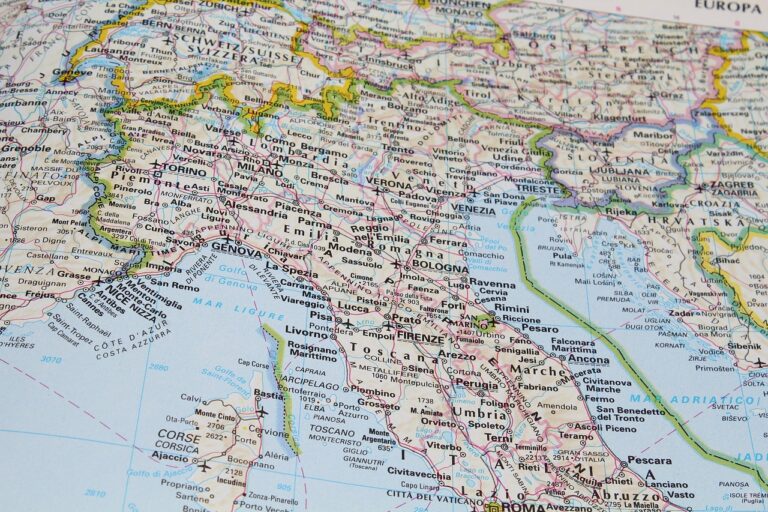
Regions: Veneto, Friuli, Alto Adige
Style: Dry, light-bodied, high acid, low flavor intensity
WSET Note: Often used as an example of a neutral white wine
🇫🇷 France (Pinot Gris in Alsace)
Style: Richer, more aromatic, off-dry styles common
Flavors: Ripe stone fruit, honey, ginger
Structure: Medium acidity, medium body, sometimes higher alcohol
🌎 New World (USA, Australia, New Zealand)
Style: Ranges from crisp and clean to fruit-forward and round
Key distinction: New World producers label according to style
“Pinot Grigio” = fresh, crisp, Italian-inspired
“Pinot Gris” = richer, fuller, French-inspired
📝 5. WSET SAT Conclusion
Quality Level
Reasoning
Acceptable
Most commercial Pinot Grigio—clean, refreshing, but simple
Good
Balanced acidity, moderate flavor concentration (e.g., from Alto Adige)
Very Good / Outstanding
Complex, textured, long finish (e.g., Alsace Grand Cru or late-harvest Pinot Gris)
When assessing quality using WSET SAT, consider balance, length, intensity, complexity, and expressiveness.
🍽️ Food Pairing Ideas
Pinot Grigio is food-friendly due to its acidity and subtlety. It pairs well with:
Light seafood (shrimp, calamari, grilled fish)
Fresh salads with citrus dressing
Soft cheeses (Mozzarella, Burrata)
Asian dishes like sushi or Thai noodles (off-dry styles)
Compare side by side: Try Italian and Alsace styles together for a practical SAT exercise.
Focus on acidity and body: These structural elements are key in SAT tasting exams.
With this complete breakdown of the Pinot Grigio tasting profile using WSET SAT descriptors, you’ll be well prepared to assess this grape confidently—whether you’re sitting for an exam or just sipping with intent
We use cookies to ensure that we give you the best experience on our website. If you continue to use this site we will assume that you are happy with it, or you can view our Privacy Policy.