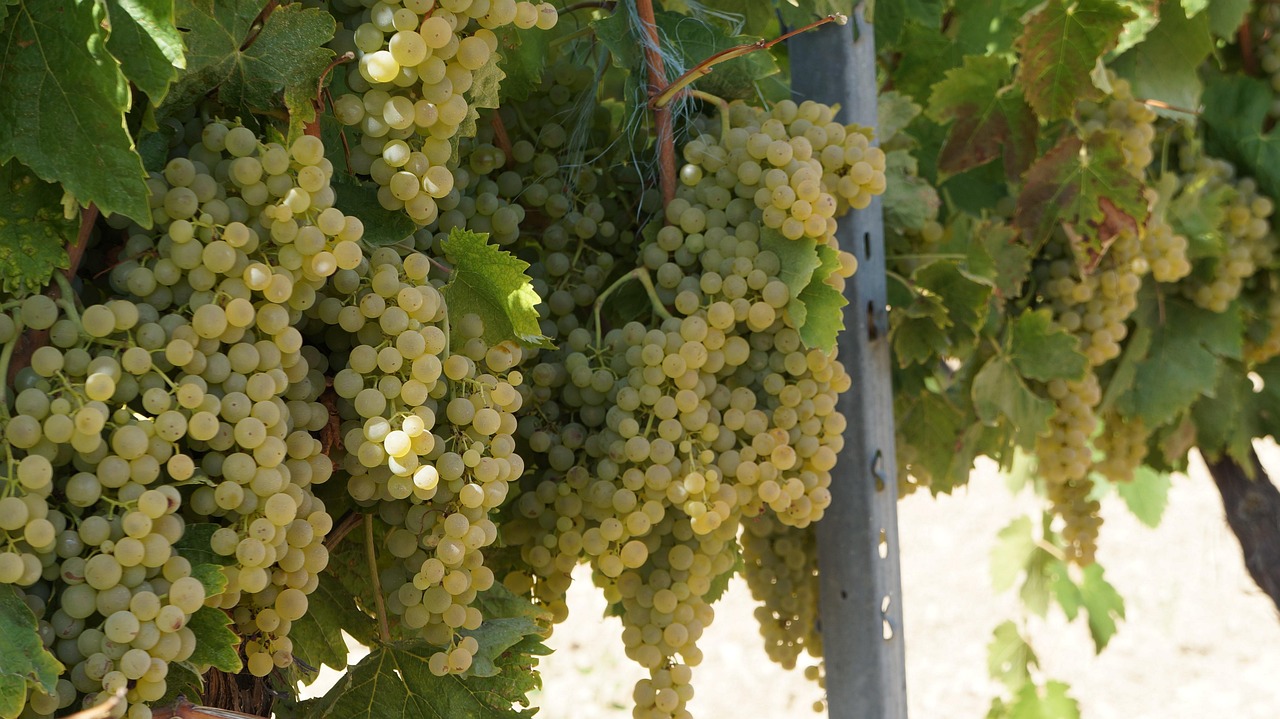
Chenin Blanc is one of the most adaptable and underrated white grape varieties in the world. Known for its ability to produce a wide range of wine styles, from bone dry to lusciously sweet, still to sparkling, this grape offers something for every palate. If you’re looking to expand your white wine knowledge or preparing for wine exams like WSET, understanding Chenin Blanc is essential.
🌍 Origins of Chenin Blanc
Chenin Blanc has its roots in the Loire Valley of France, particularly in the regions of Vouvray, Anjou, and Saumur. It’s believed to have been cultivated as early as the 9th century, making it one of the oldest known grape varieties still in use today.
Though its spiritual home remains in France, South Africa has become the world’s largest producer of Chenin Blanc. Introduced by early Dutch settlers, the grape thrived in the country’s warm climate and became widely planted—so much so that it was once known locally as Steen.
📝 Chenin Blanc Styles and Characteristics
One of the most impressive features of Chenin Blanc is its versatility. The grape can express a range of flavors and textures, depending on how and where it’s grown.
➤ Dry Styles
Dry Chenin Blanc wines are typically crisp, refreshing, and high in acidity, making them excellent food wines. Common flavor notes include:
Apple
Pear
Quince
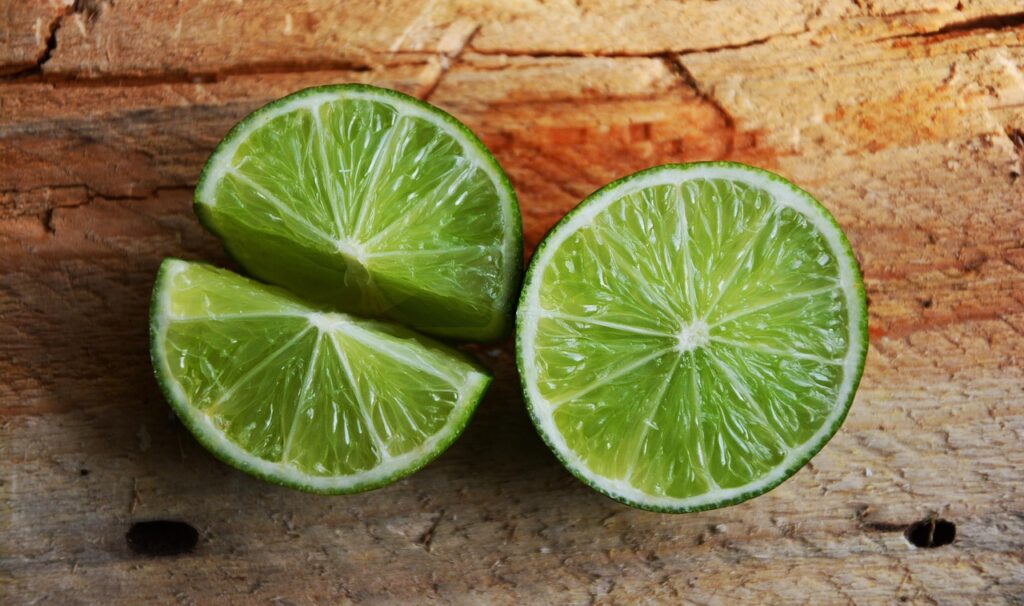
Citrus (lemon, lime)
Green plum
High-quality dry Chenins from Loire or South Africa’s cooler vineyards often show complexity, minerality, and a waxy or honeyed texture, even without sweetness.
➤ Off-Dry and Sweet Styles
In regions like Vouvray or Coteaux du Layon, Chenin Blanc is transformed into elegant sweet wines. These are made using botrytis (noble rot) or late harvest techniques, resulting in:
Honey
Apricot
Marmalade
Dried tropical fruits
Despite their sweetness, the natural high acidity keeps these wines vibrant and age-worthy.
➤ Sparkling Chenin Blanc
The Loire Valley also produces Crémant de Loire and sparkling Vouvray using the traditional method. These wines are known for their fine mousse, citrus flavors, and often a touch of honeyed complexity.
🌍 Key Regions for Chenin Blanc
🇫🇷 France (Loire Valley)
The heartland of Chenin Blanc, with styles ranging from dry to sweet and still to sparkling. Key appellations include:
Vouvray (dry to sweet, still and sparkling)
Savennieres (dry, age-worthy)
Coteaux du Layon (sweet)
🇿🇦 South Africa
South Africa grows more Chenin Blanc than any other country. While once known for mass-produced wines, modern producers are now crafting premium expressions that rival top French examples. Look for wines from:
Stellenbosch
Swartland
Paarl
These wines often show ripe fruit flavors, balanced acidity, and a rich, textured palate—especially when aged in oak.
🍽️ Food Pairing Tips
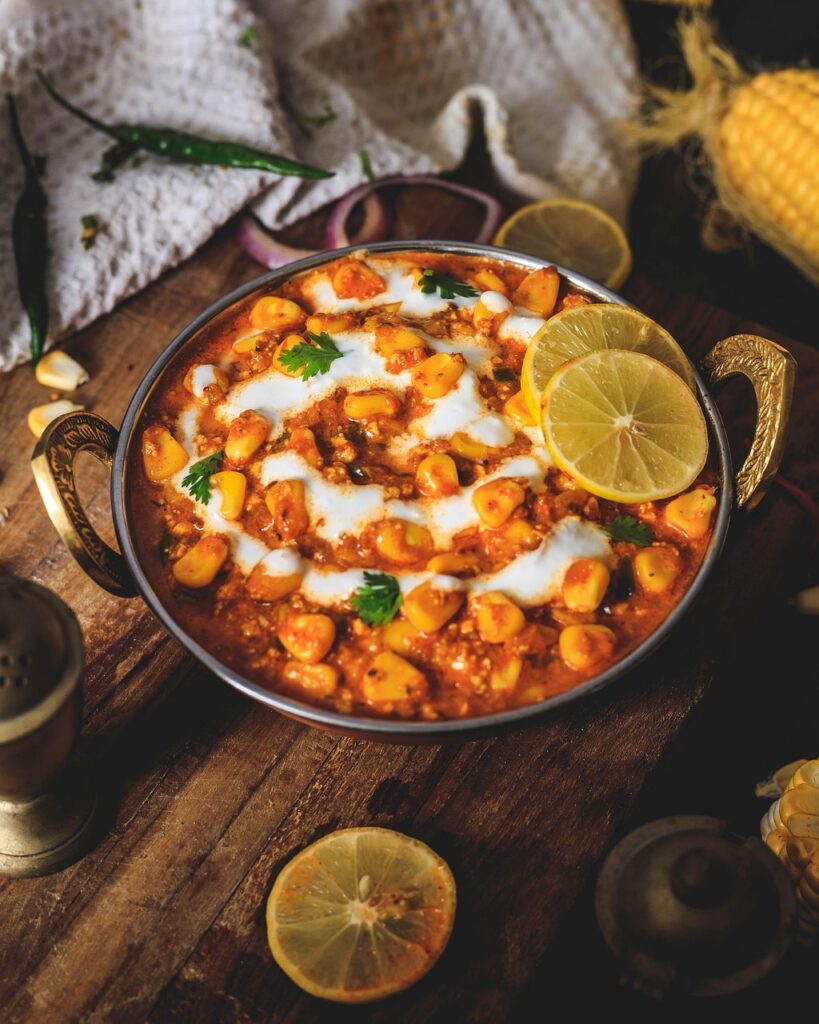
Thanks to its acidity and range of styles, Chenin Blanc is extremely food-friendly. Here are some top pairings:
If you’re studying for WSET Level 2 or 3, Chenin Blanc is often highlighted for its style range, acidity, and regional diversity. It’s an excellent grape to taste across different expressions and use as a benchmark in blind tastings.
🧠 Final Thoughts
Chenin Blanc is the hidden gem of the white wine world. Its flexibility in winemaking and aging, along with its food-pairing capabilities, make it a must-know for every wine enthusiast or student. Whether you enjoy a dry mineral-driven white or a luscious dessert wine, Chenin Blanc has something for you.
We use cookies to ensure that we give you the best experience on our website. If you continue to use this site we will assume that you are happy with it, or you can view our Privacy Policy.