
Nestled on Oʻahu’s leeward coast, Naked Cow Dairy stands out not only because it’s the island’s last remaining dairy, but because it’s run almost entirely by women. Sisters Monique van der Stroom and Jenny (and a small all-female team) turned a declining dairy landscape into an artisanal creamery that markets butter, yogurt and cheese across Hawaii and to select restaurants. Their story is as much about resourcefulness as it is about responsible farming.
Sustainable Practices on the Farm
These practices are practical and low-tech rather than certification-driven. Faced with the impossibility of competing with mainland industrial dairies, Naked Cow emphasizes pasture-based grazing, antibiotic- and hormone-free herd management, and humane animal care. These choices reduce inputs (less reliance on imported feed and pharmaceuticals) and improve animal welfare, both key sustainability metrics for small dairies. The team also repurposes materials creatively: the creamery’s cheese-aging room is an adapted vintage freezer, and packaging choices have trended toward refillable glass when feasible—small moves that cut waste and transportation emissions.
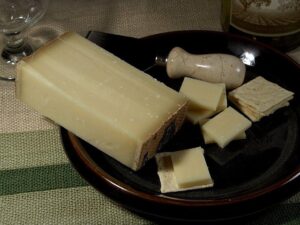
Economics is part of Naked Cow’s sustainability equation. Instead of selling raw milk into a low-margin commodity market, the farm adds value by producing artisanal cheeses and butter. Value-adding reduces the need for scale (and its environmental costs) while creating local jobs and keeping food dollars in the island economy. This model—smaller herd, higher-value products—aligns with regenerative economic resilience in remote markets.
Is a Women-Run Farm More Sustainable than Those run by Men?
The answer is nuanced. Research indicates women farmers often adopt agroecological methods, diversify crops, and emphasize community and labor equity. These practices are linked to environmental and social sustainability. Recent studies and reviews have found that women-led farms can be more likely to implement conservation practices and social sustainability measures, especially in small-scale contexts. However, sustainability depends heavily on access to resources, land tenure, technology, and local policy, not gender alone.
Applying that to Naked Cow: the farm’s sustainability strengths: pasture grazing, humane care, waste-minimizing adaptations, and a value-added business model, are concrete and verifiable. These are the kinds of practices research associates with more sustainable small farms. But Naked Cow also faces structural constraints (limited land, high input costs on islands) that limit scaling of some sustainability certifications (for example, full organic certification across a valley is cost-prohibitive). So while Naked Cow demonstrates practical sustainability that aligns with findings about women-led farms, it’s not a simple gender-versus-gender comparison, context matters.
Bottom Line
Naked Cow Dairy is a compelling example of a women-operated farm turning constraints into strengths. Its sustainable practices are pragmatic, focused on animal welfare, local value creation, waste reduction and creative reuse, making it a model for small farms in remote or high-cost regions. Evidence suggests women farmers often lead in such practices, but the degree of sustainability ultimately depends on economic context, access to land and markets, and policy supports.
Are you a Sustainable Food and Beverage Business: Farm, Olive Mill, Winery, Distillery, Brewery, Cafe, Restaurant or related? We would love to tell your story in our Pioneers section. Contact us: info@carboncraftgroup.com