Nestled in Agoro East village, Nyando area of Kisumu County, Kenya, Evelyne Okoth runs a thriving model farm managed and operated mostly by women. Since starting in 2016, Evelyne has developed a diversified farming system with vegetables, indigenous maize, sweet potato, poultry, fish, and vermiculture (worm composting). Her farm is small, but its sustainable practices and community impact are significant.
What Makes Evelyne’s Farm Sustainable
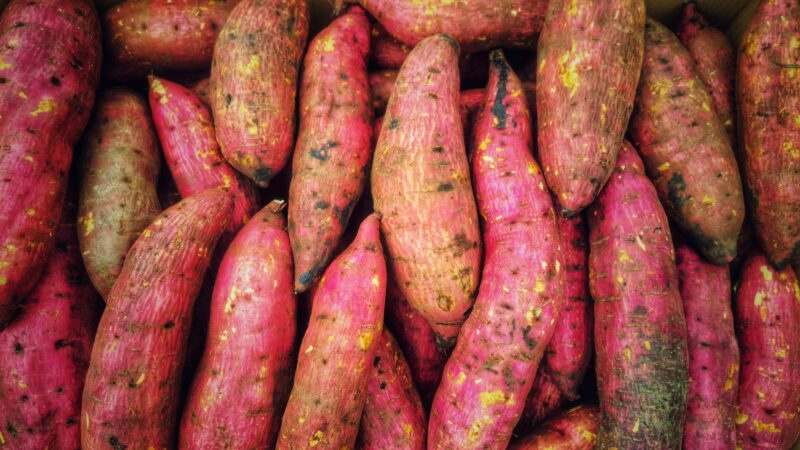
Evelyne practices agro-ecological farming, meaning she mimics natural systems rather than relying on heavy chemical inputs. Key sustainable features include:
Intercropping and indigenous seed use: Sweet potato vines are intercropped with local maize varieties. Evelyne multiplies 67 varieties of beans, 10 varieties of sorghum, and preserves indigenous maize. This genetic diversity improves resilience to pests, drought, and climate variation.
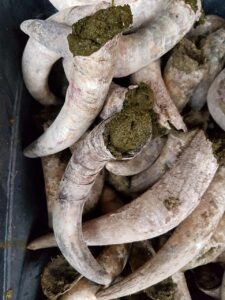
- Vermiculture and composting: She uses worm compost (vermi-compost) and “vermi-juice” (liquid fertiliser) made from crop and animal waste. This enriches soil biologically and reduces dependence on synthetic fertilisers
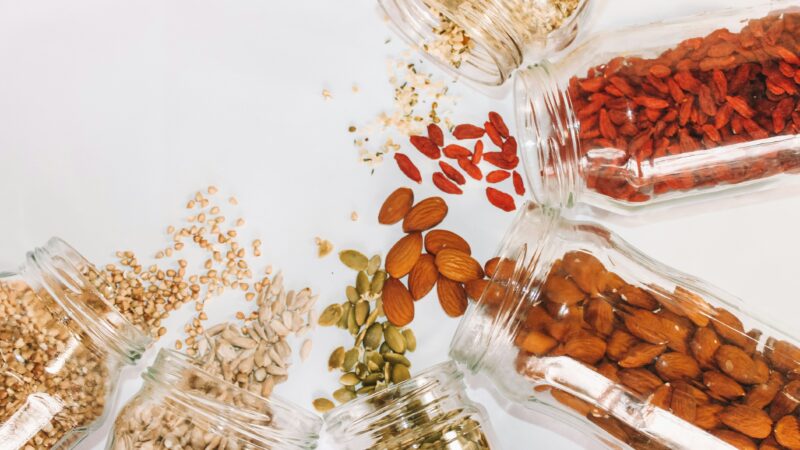
- Seed banking and preserving indigenous varieties: Evelyne is part of Kabudi-Agoro Community Seed Bank (women’s group) that saves and exchanges local seed varieties. Using resilient seeds helps when weather and diseases become unpredictable.
- Circular, integrated systems: Fish pond water irrigates vegetables; vegetable waste feeds poultry; poultry waste and other organic matter go into composting and vermiculture. This reduces waste and keeps inputs local.
Social and Economic Dimension
Women empowerment and income generation: The farm is women-led; many women in Evelyne’s area participate in farming, seed banking, poultry, etc. Profits from vegetables, poultry, and fish help support families. Evelyne sells chickens and surplus produce.
Health and nutrition: By growing food varieties locally, families gain access to more nutritious diets, indigenous beans, vegetables, maize, sweet potatoes. Reduced reliance on purchased food improves food security.
Evidence of Impact

Evelyne’s yields have improved due to diversified crops and better seed varieties. Use of indigenous maize and beans appears to reduce crop failures when weather is erratic.
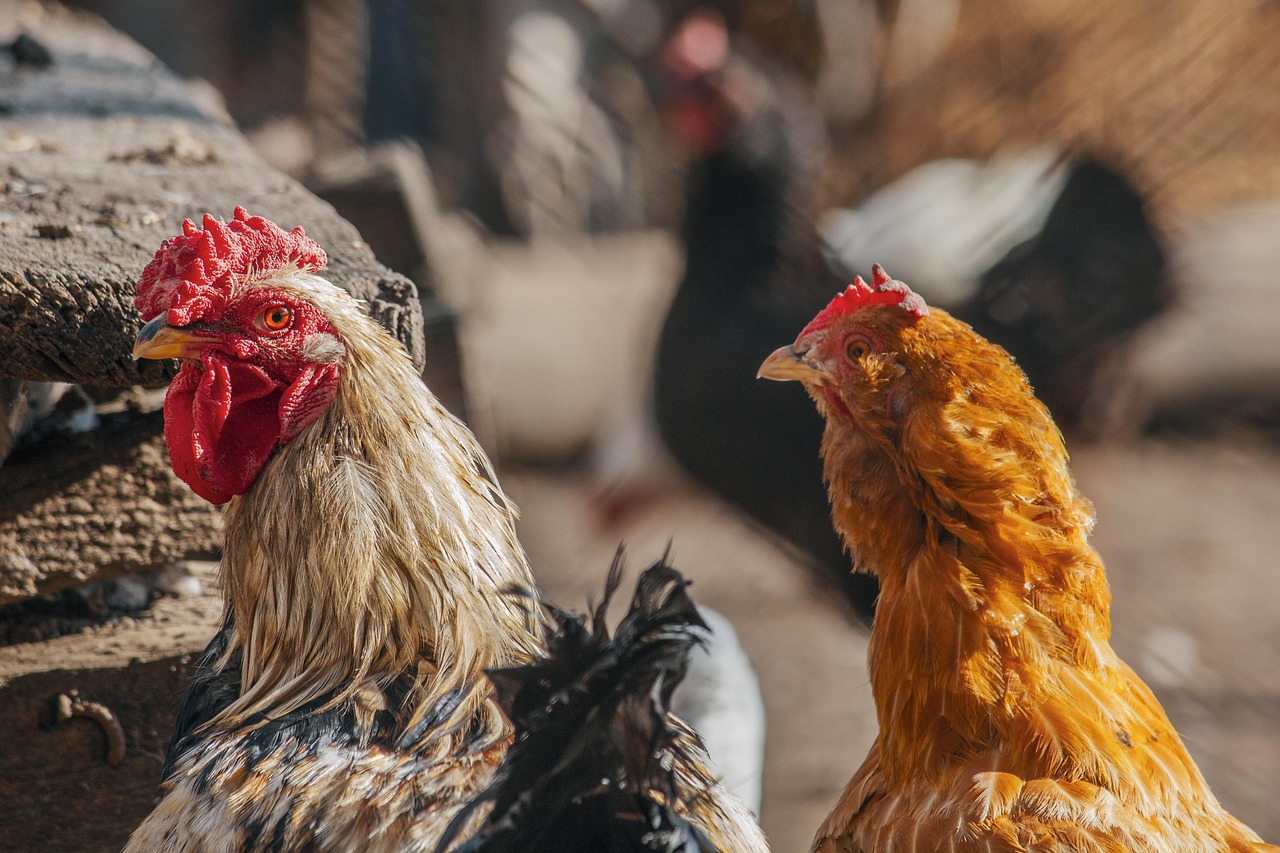
Economic returns: She raises poultry (e.g. 600 chicks), uses fish pond, sells surplus vegetables. Even on small acreage, these cumulative income sources add up.
Is a Women-Operated Farm More Sustainable Than Those Operated by Men?
This is a complex question; gender alone doesn’t guarantee sustainability, but empirical studies suggest women farmers often adopt practices that align with environmental, social, and economic sustainability, especially in smallholder or resource-limited contexts.
Arguments/evidence:
Women often have greater motivation to secure long-term soil fertility and food for their families, leading to better care of soils and biodiversity. Evelyne’s seed banking, indigenous variety use, composting, and integrated animal systems reflect that.
In many cultures, women are more risk-averse, which can lead to more diversification (crop, seed, income streams) rather than monocultures, this provides resilience under climate stress. Evelyne’s multiple crops, seed varieties, poultry, fish all show this.
Limitations and counterpoints:
Men-run larger farms with more capital may have greater access to mechanisation, certified inputs, or export markets. These resources can allow for scalability and advanced technologies that sometimes increase efficiency.
Sustainability also depends on external support: access to training, markets, water, seed, extension services. Women often face more barriers in these. Evelyne benefits from programs and NGOs. Without that support, practices might be harder to sustain.
Conclusion: Evelyne’s Farm as a Case Study

Evelyne Okoth’s Agoro East farm is a compelling example of how women-led farms can achieve meaningful sustainability through agroecology, genetic diversity, integrated systems, and local innovation. While not all women-run farms are inherently more sustainable than all men-run farms, evidence from Evelyne’s work aligns with research showing that women farmers often embrace practices that protect soil, conserve water, improve nutrition, diversify production, and generate stable incomes.
If more farms—not just run by women—actively adopt these practices, the overall agricultural system will be more resilient, equitable, and environmentally sound.
Are you a Sustainable Food and Beverage Business: Farm, Olive Mill, Winery, Distillery, Brewery, Cafe, Restaurant or related? We would love to tell your story in our Pioneers section. Contact us: info@carboncraftgroup.com