Tucked into the woods just outside Adliswil, Switzerland, Erlebnishof Tüfi is a family-run organic farm refuge that offers an immersive farm stay experience. For visitors seeking fresh air, farm-fresh food, animal encounters, and sustainable practices, Tüfi is a perfect blend of hospitality, agritourism, and environmental respect.
Location & Hospitality
Erlebnishof Tüfi spans approximately 24 hectares of biodynamic and organic farmland. The farm hosts guests in rustic-chic accommodation, offering nature walks, animal interactions, and regional meals made largely from its own garden or nearby farms. Children and adults alike can enjoy proximity to dairy cows, chickens, rabbits, and more, while breathing clean mountain air and waking to farm sounds rather than city noise. It’s a weekend haven of sustainable simplicity.
Core Sustainable Practices
Solar Panels for Sustainable Energy Generation
Organic/Biodynamic Farming Methods The farm uses organic agriculture principles, no synthetic fertilizers or pesticides. Soil enrichment comes via compost, crop rotation, green manure, and natural pest control. Biodynamic methods help with soil microbiology and resilience. By avoiding harmful agrochemicals, Tüfi protects local water bodies and preserves insect and soil biodiversity.
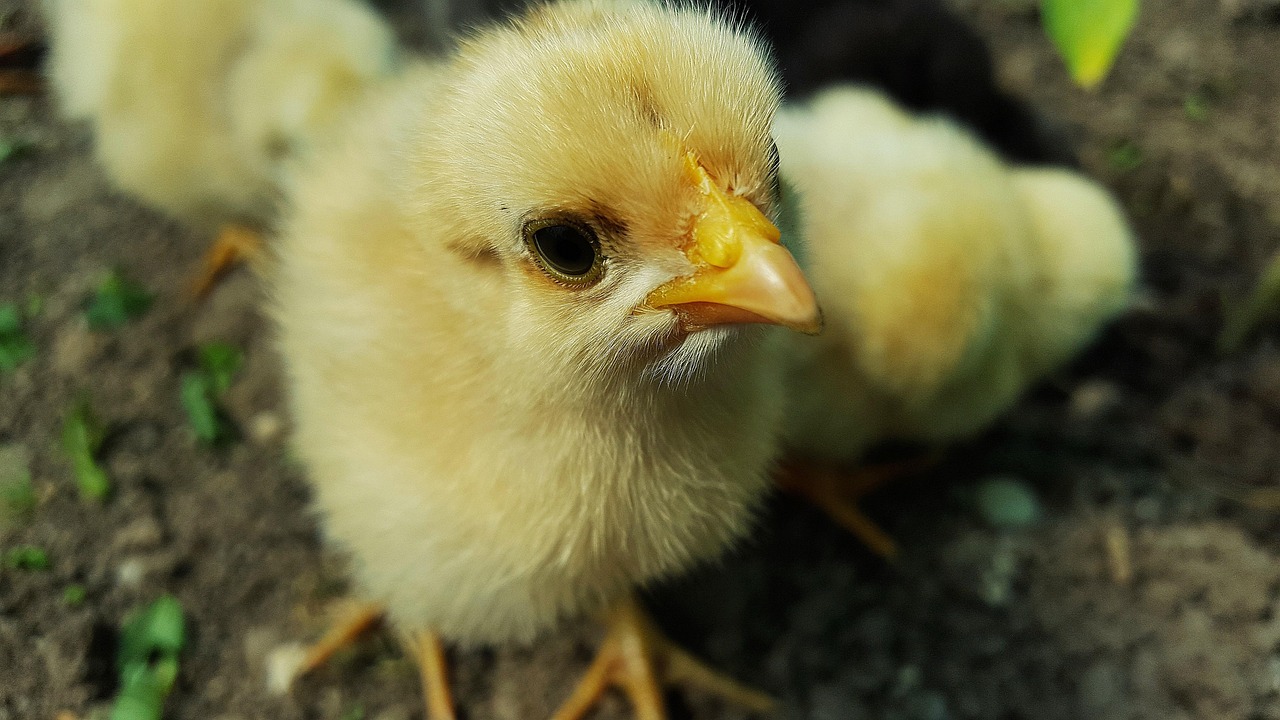
Animal Welfare & Local Breeds Pasture-based grazing is practiced for dairy cows during warmer seasons, allowing natural behavior. The farm keeps small livestock (chickens, rabbits) for eggs and meat in humane conditions. Animals contribute to the farm’s nutrient cycle—manure is composted rather than transported away, which lowers transportation emissions and returns fertility to soil.
Serving Local Farm Produce, the Epitome of Sustainability
Food Self-Sufficiency & Local Sourcing Many vegetables, herbs, and eggs served at the farm stay are grown on site. Other ingredients are sourced locally to reduce food miles. Seasonal menus align with harvests; off-season produce is minimized. Breakfasts include farm-fresh eggs, homemade jam, and garden herbs. This not only ensures freshness but also supports local producers and reduces packaging waste.
Energy & Waste Management Buildings are renovated with local timber, insulated with natural materials, and use passive heating where possible. Renewable energy (solar panels, if installed) helps power guest accommodation. Water-saving fixtures and composting toilets may be part of the infrastructure (as is common among Swiss organic farms). The farm recycles and composts its organic waste, turning food scraps and garden trimmings into compost to be returned to soil.
Visitor Education & Transparency Guests are invited to see and learn from farm practices—walking tours of gardens, feeding animals, seeing composting in action. This educational dimension strengthens awareness about sustainability. By showing what goes into food production, and how fragile farm ecosystems are, Erlebnishof Tüfi connects consumers to the land.
Comparing to Larger / Conventional Farms
Is Erlebnishof Tüfi more sustainable than conventional farms (often large, agrochemical-reliant, less hospitality focused)? In many respects, yes. The combination of small scale, organic practices, low external input, direct food use, and hospitality gives it lower carbon footprint per guest or meal, greater transparency, and stronger local economic benefits. On the other hand, larger farms may achieve scale efficiencies (e.g. yield per hectare, economies in energy, distribution) that this farm cannot. But those efficiencies sometimes come at environmental or social cost (monoculture, pesticide runoff, less biodiversity).
Thus, while Tüfi doesn’t compete in output, it excels in sustainable quality, ecological balance, and visitor impact.
Why It Matters: Impact on Guest Experience & Environment
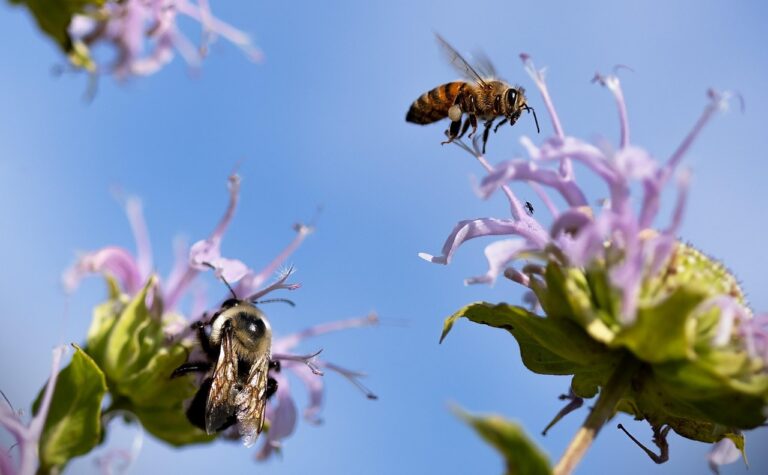
Bees, a Fundamental Part of Sustainability
Guests at Erlebnishof Tüfi often report deeper satisfaction: taste of freshly harvested produce, clean air, connection with animals, slower pace. These intangible benefits tie closely to sustainable practices. Environmentally, the farm protects soil health, reduces chemical pollution, supports biodiversity (plants, insects), and uses resources more mindfully than many standard farms.
Conclusion
Erlebnishof Tüfi is a shining example in Switzerland of how hospitality, tourism and food can work together sustainably. With organic farming, animal welfare, local food sourcing, waste reduction, and educational transparency, it delivers much more than a weekend retreat—it offers a model for sustainable agritourism. For travelers and students alike, Tüfi shows how farms can feed people, welcome guests, and protect the planet—all at once.
Are you a Sustainable Food and Beverage Business: Farm, Olive Mill, Winery, Distillery, Brewery, Cafe, Restaurant or related? We would love to tell your story in our Pioneers section. Contact us: info@carboncraftgroup.com
We use cookies to ensure that we give you the best experience on our website. If you continue to use this site we will assume that you are happy with it, or you can view our Privacy Policy.