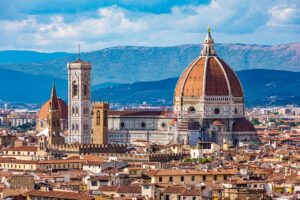
Food tourism is more than just eating your way through a destination, it’s the art of understanding a culture through its flavors, ingredients, and traditions. Every bite carries history, geography, and emotion. From the vineyards of Tuscany to the spice markets of Marrakech, food tourism connects travelers to places in the most authentic way possible.
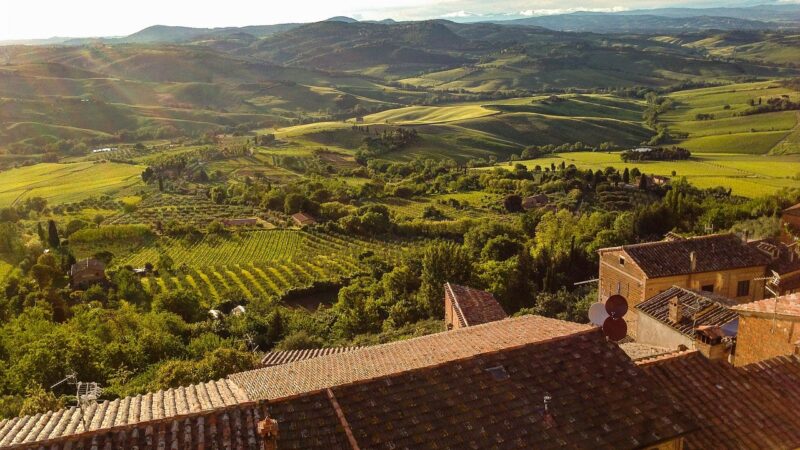
Tuscany Countryside
What Makes Food Tourism Unique
Unlike sightseeing, food tourism engages all five senses. The aroma of freshly baked bread in a local bakery, the sound of sizzling street food, the texture of handmade pasta, these moments linger far longer than photographs. Culinary travel doesn’t simply show you a country; it lets you taste it.
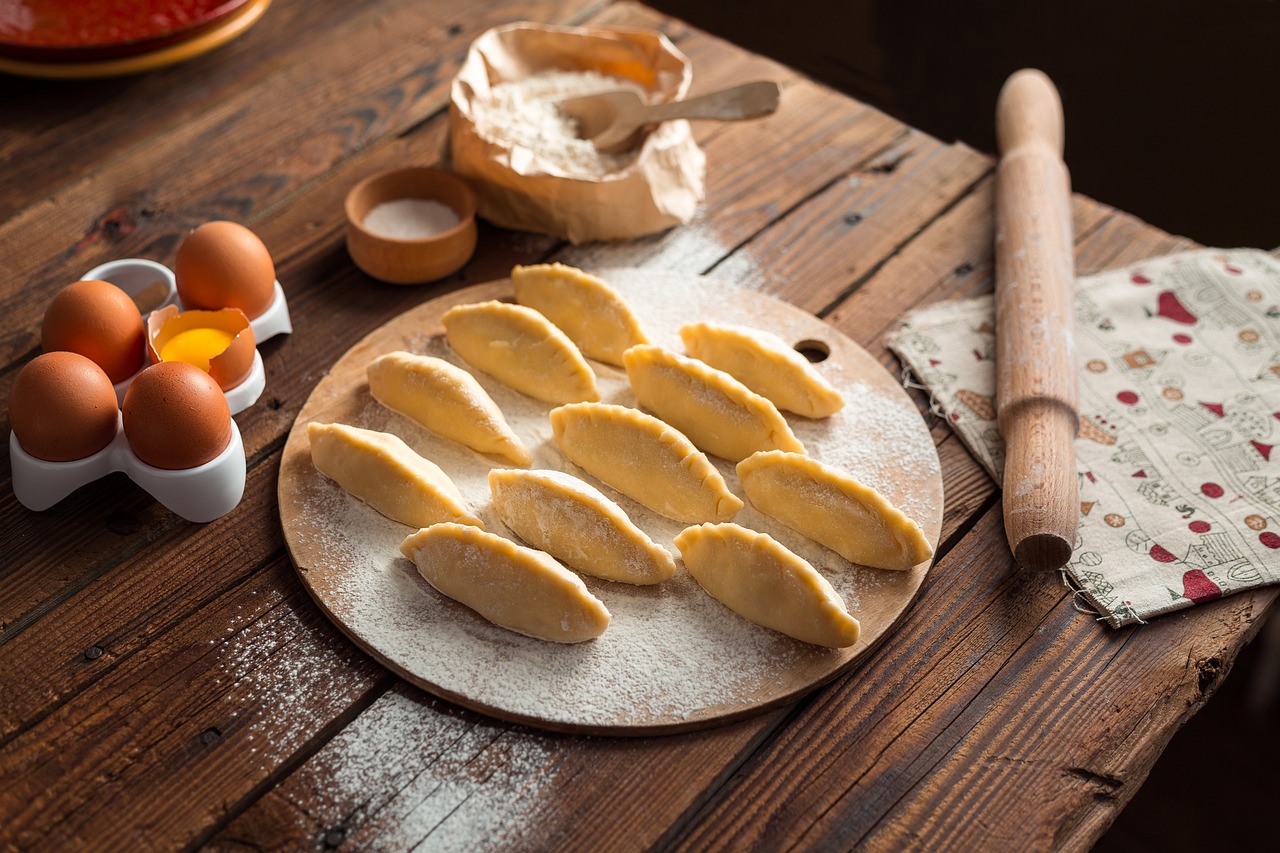
The Italian Burrata Cheese in the Making
What makes it truly special is that every destination offers a one-of-a-kind food story. Even the same dish can change from one village to another. This diversity of flavor creates an ever-evolving culinary map that invites exploration and appreciation.
The Cultural Bridge on Every Plate
Food is a universal language. It breaks barriers between travelers and locals. Sharing a meal often leads to deeper conversations, friendships, and understanding. Imagine learning about winemaking from a small family vineyard in France or helping roll sushi in a Tokyo kitchen, those experiences tell you more about a country’s heart than any museum ever could.
Through food, travelers become part of a community, even if only for a meal. This exchange keeps traditions alive and helps preserve regional culinary identities in a rapidly globalized world.
Sustainability and the Future of Food Tourism
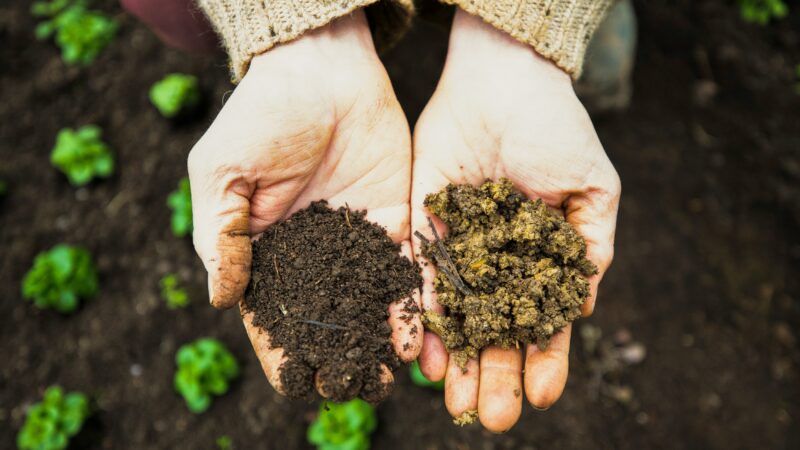
Sustainable Soil Health
Modern food tourism is evolving with purpose. Today’s travelers are seeking authentic, sustainable experiences. They want to know where their food comes from, how it’s grown, who produces it, and how it impacts the planet. Visiting organic farms, biodynamic wineries, and zero-waste restaurants allows people to engage with ethical producers who are shaping the future of gastronomy.
This conscious approach not only supports local economies but also protects food heritage. When travelers choose to dine locally instead of at global chains, they contribute directly to small producers, farmers, and artisans who depend on tourism for survival.
Why Food Tourism Matters More Than Ever
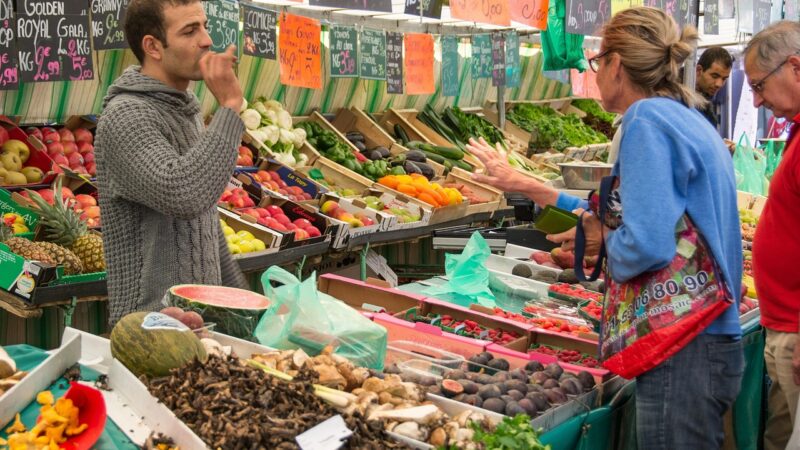
Local Farmers' Market
In a world where screens often separate people, food remains a tangible form of connection. It invites travelers to slow down, engage, and appreciate the craftsmanship behind every ingredient. Whether it’s truffle hunting in Italy, olive oil tasting in Greece, or exploring a Lebanese souk, food tourism reminds us that culture begins at the table.
It’s not just about what we eat, it’s about who we become when we share that meal.
We use cookies to ensure that we give you the best experience on our website. If you continue to use this site we will assume that you are happy with it, or you can view our Privacy Policy.