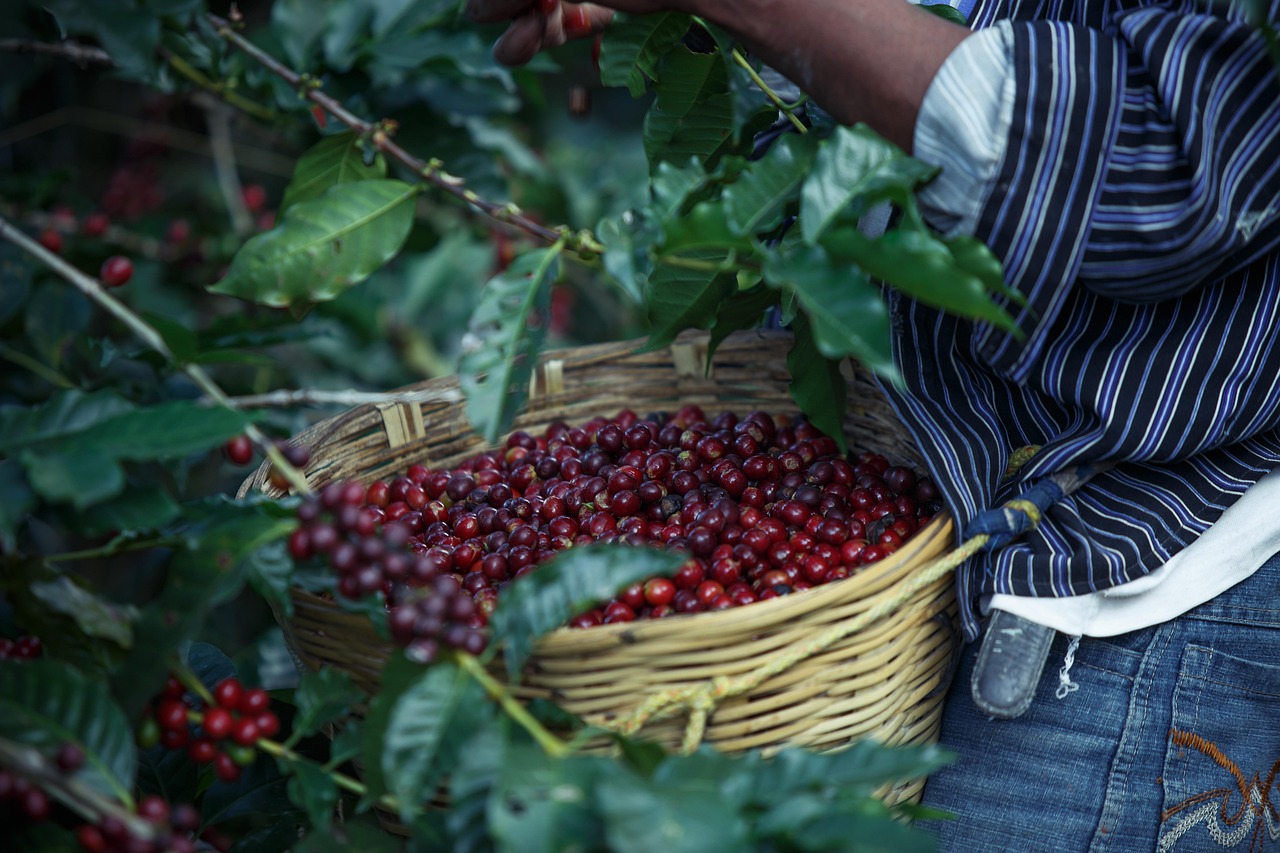
If you’re interested in coffee that tastes good and does good, Aquiares Coffee Estate in Costa Rica is a farm worth knowing about. Located on the fertile slopes of the Turrialba volcano, Aquiares has become best-in-class in sustainable coffee production. With over 20 years of continuous environmental, social, and economic initiatives, it shows how a farm can thrive while nurturing people, habitat, and soil.
Regenerative Agriculture & Shade Trees
One of the keystones of Aquiares’ sustainability is its commitment to regenerative agriculture. Since 2000, the farm has planted over 50,000 native shade trees, shifting from full-sun monoculture to a more balanced, shade-grown system. The shade trees do more than cool things down: they reduce soil erosion, shade the coffee plants against heat stress, and provide fruit and firewood for farmworkers. Section of the estate serves as natural buffer zones and wildlife corridors. In fact, internal monitoring shows that these trees help lower daily maximum temperatures by about 2 °C, a significant buffer considering expected warming trends in many coffee-growing regions.
Biodiversity & Rainforest Protection
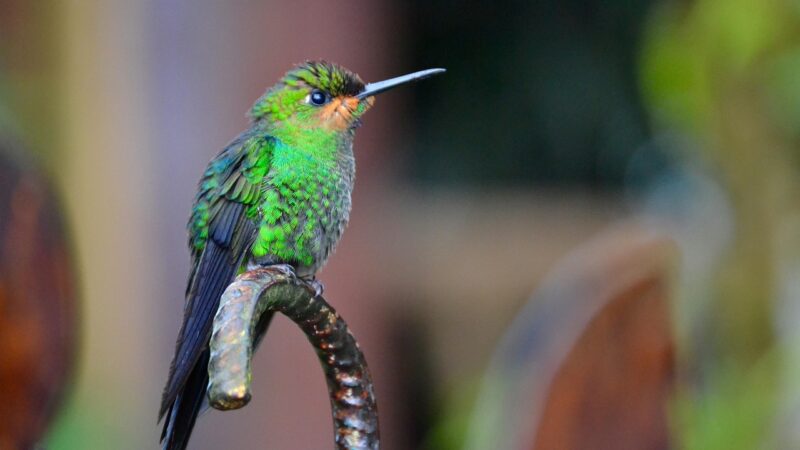
Aquiares doesn’t just grow coffee, it preserves whole ecosystems. Roughly 20% of the estate’s land is set aside for rainforest preservation. Over that area, there are over 76 native tree species, and in recent decades, the number of bird species recorded on the farm has grown to more than 140. The farm is Rainforest Alliance certified (since 2003), and its efforts go beyond meeting baseline standards—they’re designed to strengthen wildlife habitat, protect watersheds, and enhance the resilience of the plantation ecosystem. This biodiversity helps in pest control, soil health, and offers a living example of how coffee agriculture and conservation can coexist.
Social Responsibility & Employee Well-Being
Sustainability at Aquiares includes people as well as nature. The estate employs many local residents—approximately 2,000 people in the surrounding town—with dignified work, fair wages, home ownership support, medical and childcare programs. Nearly all full-time employees own their homes. The workplace is both safe and designed with worker welfare in mind. During harvest, additional seasonal workers are employed under fair conditions. The holistic approach means the economic benefits of coffee are shared, which builds community stability and motivation.
Innovation, Research & Carbon Neutrality
Aquiares is not static. It continuously invests in research to solve problems proactively. In collaboration withCIRAD and CATIE, the farm created a research station to monitor carbon flux, assess shade systems, and test resilient coffee hybrids. These efforts yielded hybrids with disease resistance and high quality scores, now produced commercially under the Centroamericano variety.
Importantly, Aquiares has become a net carbon sink, producing around 1,000 metric tons of CO₂-equivalents annually, while removing ~4,100 metric tons through forested areas, shade trees, and regenerative practices. The estate is also among the first to be certified carbon neutral by the Costa Rican NAMA program and has ensured that their exported beans comply with the EU’s deforestation-free regulation.
Impacts on Coffee Quality & Styles
Sustainable practices at Aquiares don’t only serve ecology and community, they enhance cup quality. Shade-grown cherries ripen more slowly and evenly, developing nuanced flavors and balance. Biodiverse surroundings reduce pest pressure naturally, so less chemical intervention is necessary. Worker well-being contributes to better care at each stage of production. These factors help produce cup profiles with higher consistency, better sweetness, and aromatic complexity. While Aquiares doesn’t focus on sweet or sparkling (coffee doesn’t go sparkling like wine!), its specialty coffee is known for its bright acidity, floral and stone fruit notes, qualities prized among single-origin coffee lovers.
Conclusion
Aquiares Coffee Estate provides a powerful model for sustainable coffee farming. Between its regenerative shade trees, rainforest conservation, social equity, research innovations, and impressive carbon sink status, this estate shows that you can produce high-quality coffee while preserving ecosystems and uplifting communities. For consumers, supporting farms like this means enjoying better coffee and contributing to a more sustainable coffee future.
Are you a Sustainable Food and Beverage Business: Farm, Olive Mill, Winery, Distillery, Brewery, Cafe, Restaurant or related? We would love to tell your story in our Pioneers section. Contact us: info@carboncraftgroup.com
We use cookies to ensure that we give you the best experience on our website. If you continue to use this site we will assume that you are happy with it, or you can view our Privacy Policy.