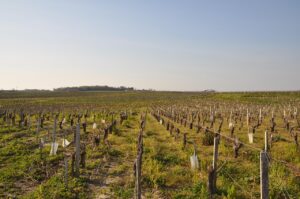
Chardonnay is often called the “winemaker’s grape” and for good reason. It’s incredibly versatile, highly expressive of terroir, and can be made in a variety of styles depending on climate, region, and winemaking techniques. Whether you’re sipping a minerally Chablis, a creamy Napa Chardonnay, or a fruity Australian version, Chardonnay wines offer something for every palate.
This blog explores the fascinating diversity of Chardonnay wines around the world, focusing on how different winemaking methods shape their unique profiles.
🍇 A Neutral Grape Full of Possibilities
Unlike aromatic white grapes such as Sauvignon Blanc or Gewürztraminer, Chardonnay is relatively neutral, allowing winemakers to influence the final product in profound ways. Everything from the choice of fermentation vessel to malolactic fermentation and aging techniques can change the character of the wine.
🇫🇷 France: The Classic Expression of Chardonnay
Burgundy: The Benchmark
The Burgundy region of France is the spiritual home of Chardonnay. Styles range from the steely, unoaked wines of Chablis to the rich, creamy wines of Meursault and Puligny-Montrachet.
Winemaking Techniques:
Use of French oak barrels (often partially new)
Lees stirring (bâtonnage) for a creamier texture
Malolactic fermentation for softer acidity
Minimal intervention to showcase terroir
Flavor Profile:
Chablis: green apple, flint, lemon zest
Côte de Beaune: toasted almond, butter, ripe peach, and minerality
These wines are elegant, structured, and highly age-worthy.
🇺🇸 United States: Ripe and Full-Bodied Styles
California Chardonnay
California, especially Napa Valley, Sonoma, and Santa Barbara, produces rich and powerful Chardonnay wines. These often feature bold fruit, high alcohol, and noticeable oak influence.
Winemaking Techniques:
Fermentation in new American or French oak barrels
Full malolactic fermentation
Extended lees aging and stirring
Some experimentation with concrete eggs or amphorae
Flavor Profile:
Ripe tropical fruit (pineapple, mango)
Vanilla, butter, and toast
Creamy mouthfeel with a long finish
California’s signature style is perfect for wine lovers who enjoy opulence and texture.
🇦🇺 Australia: A Balance Between Fruit and Freshness
The Map of Australia
Yarra Valley & Margaret River
Australia has evolved its Chardonnay style from heavily oaked to more refined and restrained expressions. Today, regions like the Yarra Valley and Margaret River produce world-class wines.
Winemaking Techniques:
Use of large-format or neutral oak to avoid overpowering fruit
Partial malolactic fermentation
Some skin contact for texture
Lees aging for complexity
Flavor Profile:
White peach, citrus blossom, hazelnut, saline finish
Modern Australian Chardonnay combines fruit purity with textural finesse, making it a top choice for food pairings.
🇿🇦 South Africa: The Emerging Star
South African Chardonnay, especially from Elgin and Walker Bay, is gaining global recognition for its crisp acidity, minerality, and subtle oak influence.
Winemaking Techniques:
Barrel fermentation with wild yeast
Minimal intervention for purity
Some use of concrete eggs and older oak
Flavor Profile:
Lemon peel, stone fruit, toasted nuts, herbal hints
South African Chardonnay is a great value and showcases a mix of Old World restraint and New World ripeness.
🌎 Other Notable Regions
Chile
Cool coastal areas like Casablanca and Limarí yield fresh, citrus-driven Chardonnay with minerality and good structure.
New Zealand
Regions like Hawke’s Bay produce balanced Chardonnay wines that are medium-bodied with subtle oak and vibrant acidity.
Italy
Chardonnay is grown throughout Italy and often used in blends or for Metodo Classico sparkling wines. In Alto Adige, you’ll find bright, mineral-driven single-varietal expressions.
🧪 Key Winemaking Techniques That Shape Chardonnay
1. Oak Aging
Adds flavors like vanilla, toast, and spice
Increases texture and richness
2. Malolactic Fermentation
Converts sharp malic acid into creamy lactic acid
Adds buttery flavors and a softer mouthfeel
3. Lees Contact
Aging the wine on dead yeast cells
Adds texture, body, and complexity
4. Stainless Steel Fermentation
Preserves fresh fruit and acidity
Used for unoaked styles like Chablis
5. Climate Impact
Cool climate: high acidity, citrus, and minerality
Warm climate: tropical fruit, lower acidity, fuller body
🍽️ Food Pairing Tips for Chardonnay Wines
The versatility of Chardonnay makes it a food-friendly wine:
Unoaked Chardonnay (e.g., Chablis): oysters, grilled white fish, goat cheese
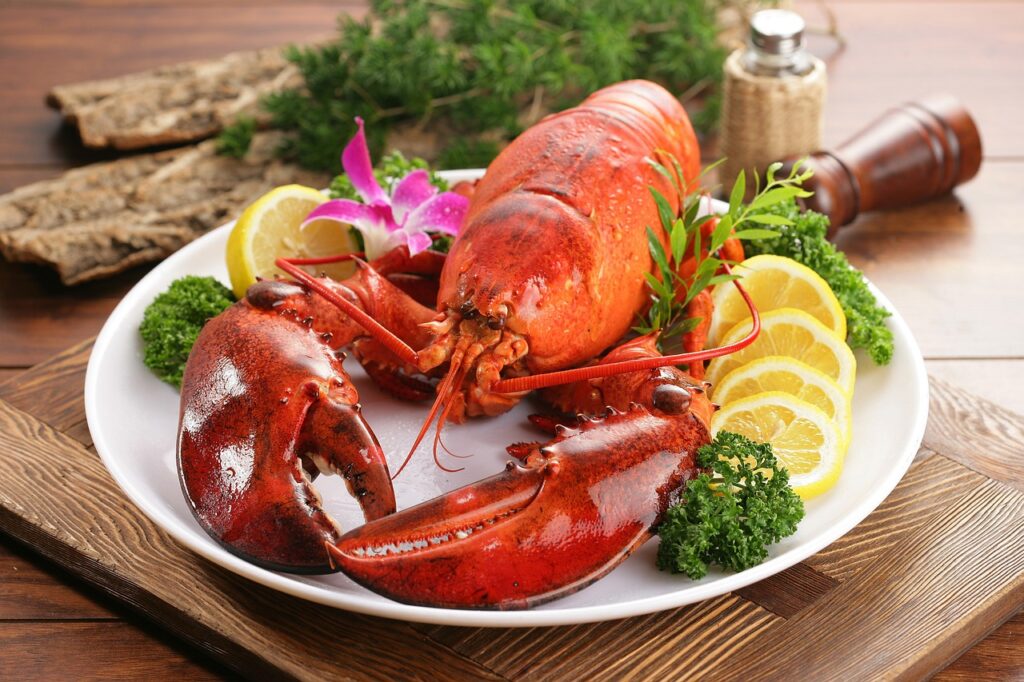
Oaked Chardonnay (e.g., Napa or Meursault): roast chicken, lobster in butter, creamy pasta dishes
Chardonnay wines truly embody the diversity and creativity of the wine world. Whether you prefer a lean, mineral-driven Chablis or a bold, buttery Napa Valley expression, there’s a Chardonnay style to suit every taste. By understanding the impact of winemaking techniques and regional influences, you can better appreciate the depth and elegance this grape has to offer.
So next time you’re browsing a wine list or shopping for a bottle, take a moment to consider the origin and method behind the wine—you might discover a new favorite style of Chardonnay!
We use cookies to ensure that we give you the best experience on our website. If you continue to use this site we will assume that you are happy with it, or you can view our Privacy Policy.