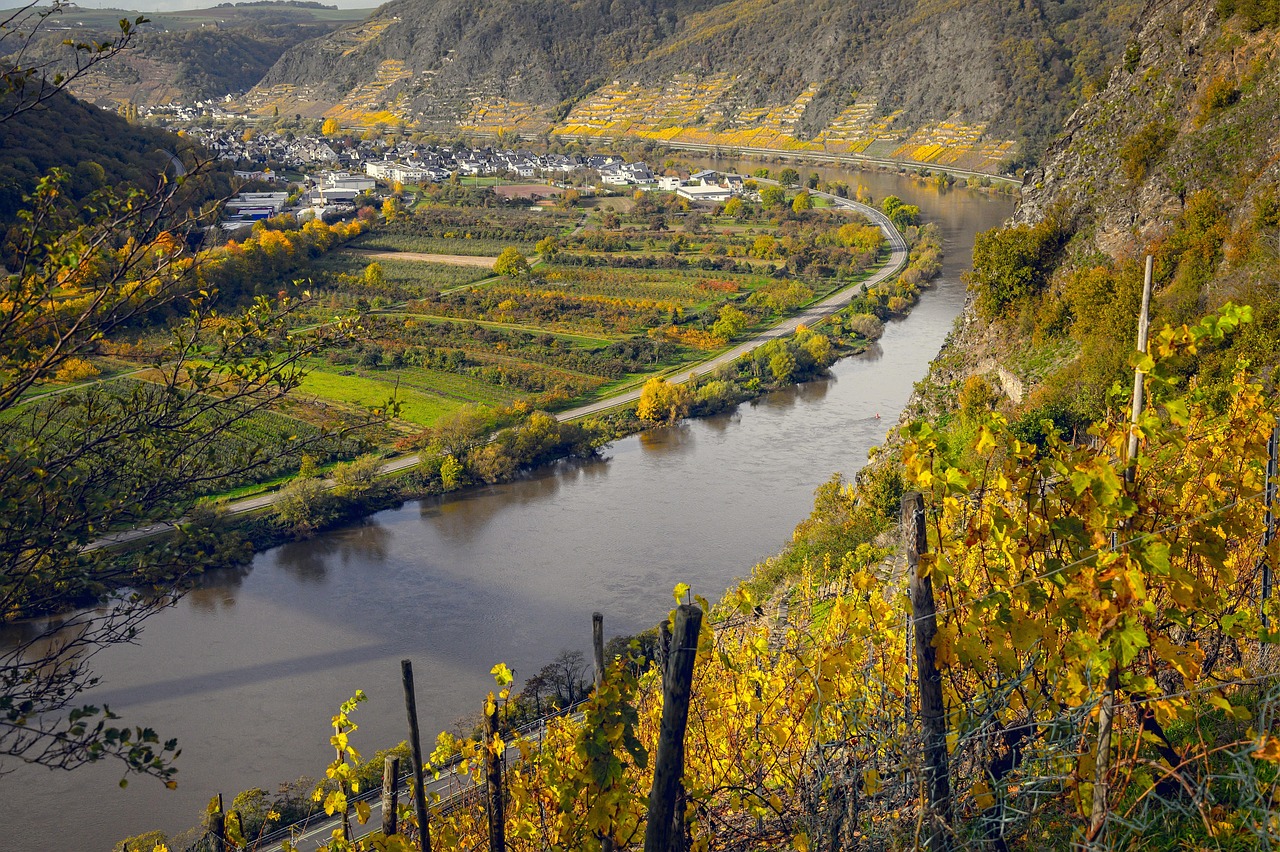
Germany, known for its crisp Rieslings and steep vineyard slopes, is becoming a leader in eco-conscious winemaking. Sustainable wineries in Germany are redefining how wine is made, prioritizing soil health, biodiversity, and carbon footprint reduction.
Some Notable Sustainable Wineries
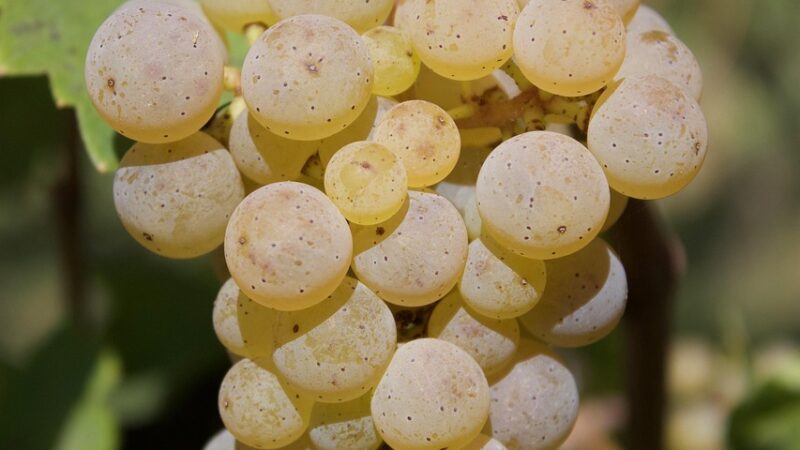
Riesling, an Aromatic Grape Variety
From the Mosel to the Rheingau, many wineries are embracing organic and biodynamic farming. These methods avoid synthetic chemicals and instead rely on natural solutions to nurture the vines. Wineries like Weingut Wittmann in Rheinhessen and Dr. Bürklin-Wolf in the Pfalz are pioneers of biodynamic viticulture, proving that quality and sustainability go hand in hand.
Sustainable Measures of German Wineries
Beyond the vineyard, sustainability includes solar-powered wineries, lightweight bottles, and wastewater recycling. Many producers are also joining sustainability certifications like Fair’n Green and ECOVIN, which support transparent, environmentally responsible practices.
Solar Panels for Sustainable Energy Generation
These efforts don’t just benefit the environment, they also protect the unique terroirs that make German wines so expressive. Consumers, too, are becoming more conscious, seeking wines that reflect both quality and a commitment to the planet.
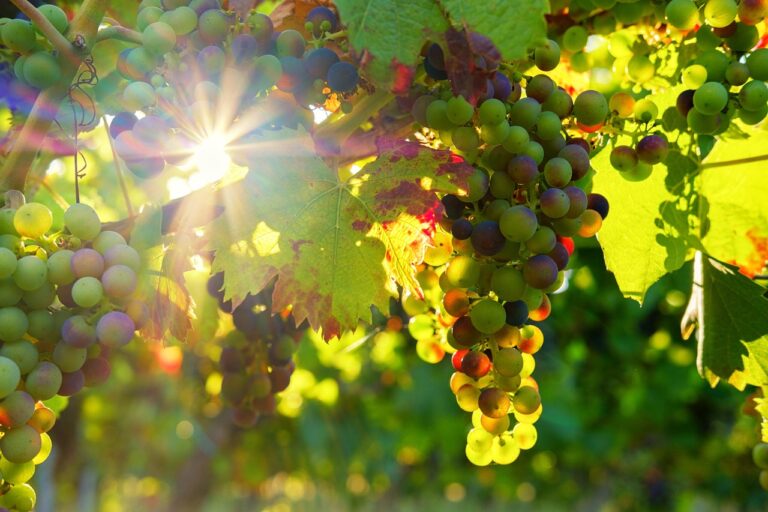
Sustainable Grape Growing
If you love German wine and care about sustainability, choosing bottles from sustainable wineries in Germany supports a greener wine future, without sacrificing taste.
Are you a Sustainable Food and Beverage Business: Winery, Farm, Distillery, Brewery or related? We would love to tell your story in our Pioneers section. Contact us: info@carboncraftgroup.com
We use cookies to ensure that we give you the best experience on our website. If you continue to use this site we will assume that you are happy with it, or you can view our Privacy Policy.