Food tourism, as we know it today, is a delicious blend of culture, curiosity, and connection, but its roots go much deeper than modern travel trends. The history of food tourism stretches back thousands of years, tracing humanity’s earliest movements in search of flavor, sustenance, and exchange. Long before Instagram or Michelin stars, food shaped how people traveled and how civilizations connected.
From Ancient Trade Routes to Early Culinary Exchange
The story begins with the great trade routes of antiquity, the Silk Road, the Spice Route, and Mediterranean sea lanes. Merchants and explorers didn’t just trade goods; they exchanged flavors, recipes, and culinary knowledge. Cinnamon from Sri Lanka, pepper from India, and saffron from Persia traveled across continents, influencing kitchens from Rome to China.
Persian Saffron
These early food exchanges marked the world’s first form of culinary tourism, though travelers were traders, not tourists. Each journey brought new tastes, transforming how societies cooked, ate, and viewed the world beyond their borders. Food became the first universal language of exchange.
The Age of Exploration and the Birth of Global Flavors
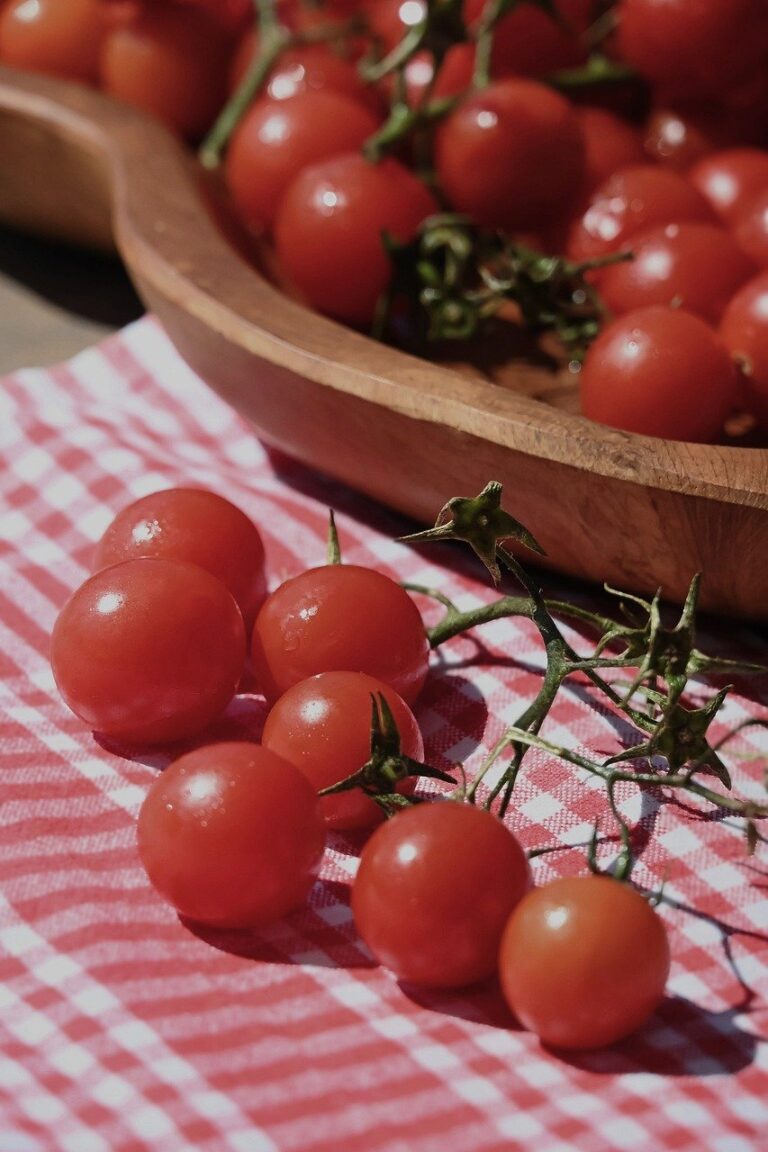
Cherry Tomatoes, A Food Staple
In the 15th and 16th centuries, the Age of Exploration expanded food tourism’s foundation. Explorers like Columbus and Magellan unintentionally created what historians now call the “Columbian Exchange”, a massive transfer of crops, spices, and animals between continents. Tomatoes reached Italy, chili peppers spiced up Asia, and cacao beans crossed the Atlantic to delight Europe.
These new ingredients revolutionized cuisines and encouraged people to travel in pursuit of exotic tastes. Culinary curiosity became a form of exploration itself, setting the stage for future gastronomic adventures.
From Grand Tours to Gastronomic Pilgrimages
Monasteries in Medieval Europe
By the 18th and 19th centuries, the European elite began embarking on “Grand Tours,” journeys across Europe meant to refine cultural understanding. Alongside art and architecture, food became part of this education. Wealthy travelers dined in Parisian cafés, sampled Italian wines, and discovered regional specialties that later inspired the restaurant revolution of the 19th century.
This period gave rise to culinary documentation, recipes, travel diaries, and cookbooks that celebrated local foods. What had begun as trade evolved into appreciation; tasting the local cuisine became a mark of sophistication and worldliness.
The Modern Era: Food as the Soul of Travel
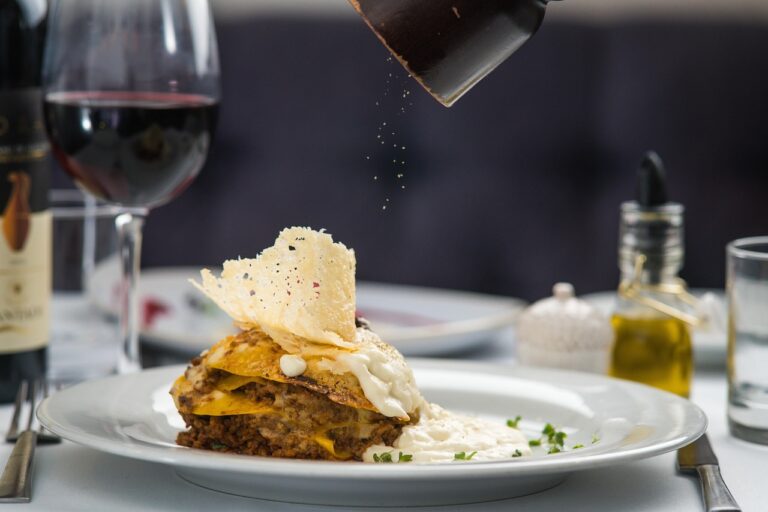
In the 20th century, with improved transportation and global communication, food tourism became accessible to everyone. The rise of Michelin Guides, food television, and culinary festivals turned local cuisines into international attractions. Travelers began planning entire trips around dining experiences, from Napa Valley vineyards to Tokyo’s sushi counters.
Today, food tourism represents one of the fastest-growing sectors in global travel. It celebrates authenticity, sustainability, and connection, the same values that fueled its ancient beginnings.
Why the History of Food Tourism Matters
Understanding the history of food tourism reminds us that eating is more than pleasure, it’s a form of cultural preservation and storytelling. Every dish carries echoes of trade, migration, and memory. Whether you’re sipping wine in Bordeaux or tasting hummus in Beirut, you’re participating in a tradition as old as humanity itself: discovering the world through its flavors.
We use cookies to ensure that we give you the best experience on our website. If you continue to use this site we will assume that you are happy with it, or you can view our Privacy Policy.