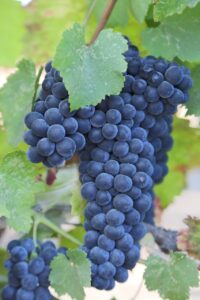
Wine enthusiasts and professionals alike are hearing more about PIWI wines, but what exactly are they? As climate change and sustainability challenges reshape viticulture, PIWI wines represent an exciting innovation for the future of winemaking.
What Does PIWI Mean?
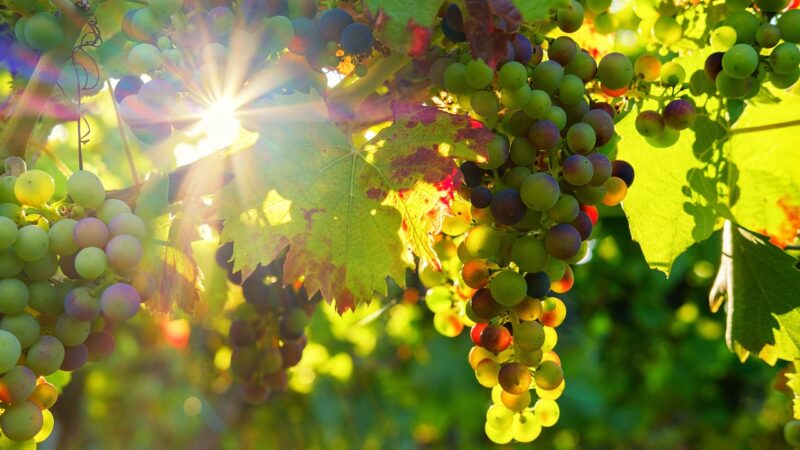
The term PIWI comes from the German phrase pilzwiderstandsfähig, which means fungus-resistant. PIWI grapes are specially bred varieties that are naturally resistant to common fungal diseases like powdery mildew and downy mildew. These diseases are major issues for traditional grapevines, often requiring heavy chemical treatments in the vineyard.
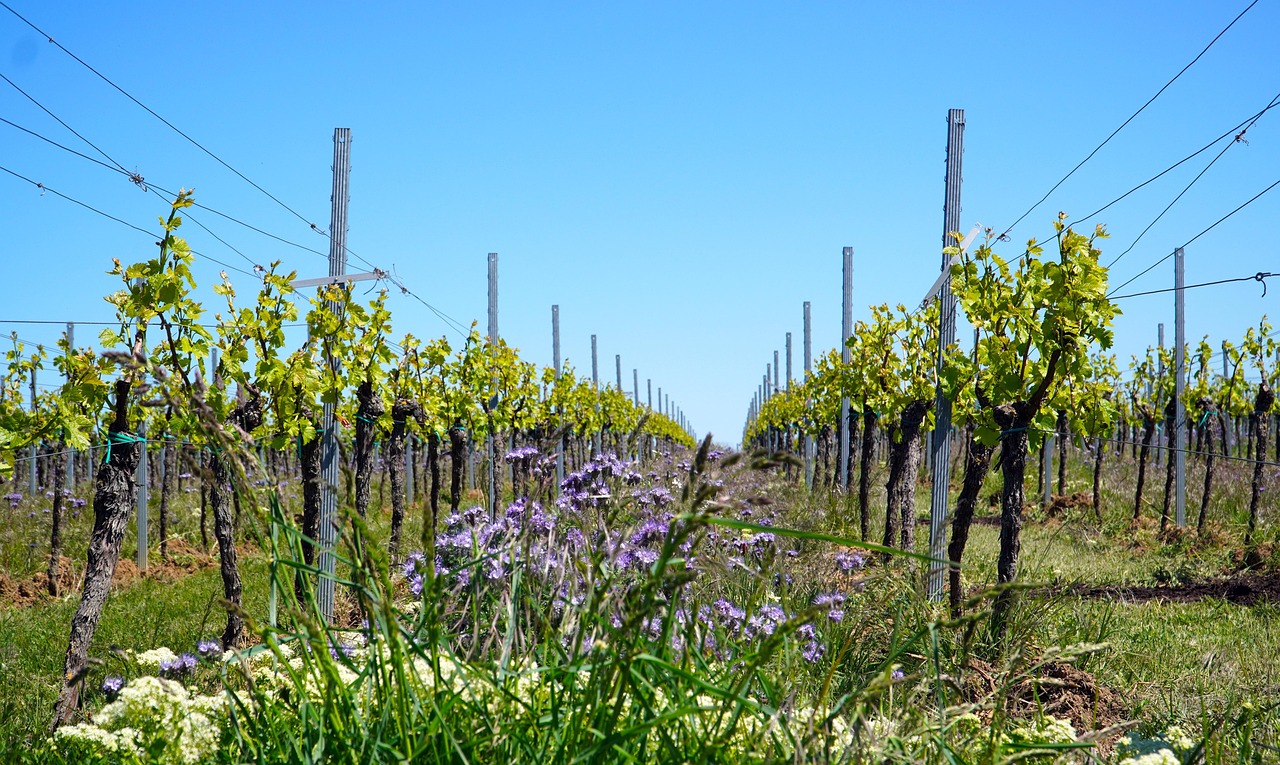
With PIWI grapes, winemakers can significantly reduce the need for pesticides and fungicides, making vineyard management more sustainable and eco-friendly.
How Are PIWI Grapes Created?
PIWI grape varieties are not genetically modified. Instead, they are developed through traditional cross-breeding methods. By crossing classic European Vitis vinifera grapes (like Pinot Noir or Riesling) with resistant American or Asian vine species, scientists and viticulturists create new hybrids that retain excellent wine quality while offering natural disease resistance.
Some well-known PIWI grape varieties include:
Solaris: popular in cool climates, producing aromatic white wines.
Souvignier Gris: a versatile variety with fresh, fruit-forward flavors.
Regent: a red grape known for deep color and smooth tannins.
Cabernet Blanc: reminiscent of Sauvignon Blanc, with crisp acidity and citrus notes.
The Benefits of PIWI Wines
PIWI wines offer multiple advantages for both producers and consumers:
Sustainability – fewer chemical sprays mean a healthier environment and reduced carbon footprint.
Adaptation to climate change – resistant vines are better equipped for changing weather conditions.
Quality wines – modern PIWI varieties are capable of producing wines with complexity and character, suitable for premium production.
PIWI Wines Around the World
PIWI grapes were first developed in Germany and Switzerland, where humid climates make fungal diseases common. Today, they are spreading across Italy, Austria, and France, as well as newer wine regions such as Canada and Scandinavia. Wineries in these countries are increasingly experimenting with PIWI varieties to craft wines that are both sustainable and expressive.
The Taste of PIWI Wines
PIWI wines can be fresh, fruity, and aromatic, often resembling the profile of traditional European wines. For example, Solaris wines show tropical fruit and citrus notes, while Regent wines are full-bodied and structured, ideal for aging. As more winemakers adopt these varieties, consumers will see PIWI wines on shelves more frequently, especially in organic and sustainable wine shops.
So, what is PIWI wine? It is the future of sustainable winemaking—where innovation meets tradition. By combining disease-resistant vines with quality winemaking, PIWI wines not only reduce environmental impact but also offer wine lovers exciting new flavors to explore.
Are you a Sustainable Food and Beverage Business: Winery, Farm, Distillery, Brewery or related? We would love to tell your story in our Pioneers section. Contact us: info@carboncraftgroup.com
We use cookies to ensure that we give you the best experience on our website. If you continue to use this site we will assume that you are happy with it, or you can view our Privacy Policy.